English| EUR
Suggested for you
More currencies
Book Now
Closed · Closed

Florence Wine Tour and Cooking Class

Florence Wine Tour and Cooking Class — Tuscan Estates & Culinary Workshops

Roll fresh pasta in medieval towers, taste Chianti on hillside estates

50K+ travelers chose this
Free Cancellation
Right now: Light — seasonal off-peak The florence wine tour and cooking class services operate primarily through private booking arrangements.
Free Cancellation
Instant confirmation Mobile voucher Free cancellation Verified partner Book now, pay later
09:00–17:00
Arrival Window
Standard regional operating hours
0 EUR
Entrance Fee
Service varies by private operator
Multiple
Locations
Throughout Florence and Tuscany
Unlimited
Cultural Experiences
Combination service offerings available
Choose your ticket

Florence Wine Tour and Cooking Class tickets at a glance

Compare fares, pick the fit — all bookings are mobile-voucher and eligible for free cancellation where shown.

Tuscan Wine Estate Experience from Florence 4 hr 30 min
Standard Entry

Tuscan Wine Estate Experience from Florence

4.9 (4491)
€89
  • Entry ticket
  • Mobile voucher
  • Valid same day
  • Free cancellation
Book this ticket
Chianti Wine Region Tour from Florence 6 hr 30 min
Guided Experience

Chianti Wine Region Tour from Florence

4.5 (11500)
€55
  • Expert local guide
  • Small group
  • Skip-the-line access
  • Free cancellation
Book this ticket
Compare options

Compare Florence Wine Tour and Cooking Class ticket options

Selecting the right florence wine tour and cooking class allows visitors to immerse themselves in local viticulture and Tuscan culinary traditions. These curated experiences offer varied access levels to estate vineyards and professional kitchen facilities.

Group Session Shared Experience Top pick
Private Workshop Exclusive Access
Venue access Vineyard and kitchen
Group size Up to 12 guests
Transport Not included
Skill focus Regional staples
Best for First-timers and social travelers

Verdict: Choose the private workshop for personalized attention, or book florence wine tour and cooking class tickets for a social, shared experience.

Is a Florence Wine Tour and Cooking Class Worth the Cost?

Worth it for culinary travelers seeking expert-led immersion

A florence wine tour and cooking class delivers substantially more value than self-guided exploration when you factor in specialized transport, estate access, and hands-on instruction. Independent travelers attempting the same route face rental-car logistics, vineyard appointments that require advance booking, and missed context that only local guides provide. The bundled format removes friction while adding depth—you're not just tasting Chianti but learning fermentation techniques from sommeliers, not just cooking pasta but understanding regional flour traditions in centuries-old kitchens. Options range from compact urban workshops pairing handmade pasta with Tuscan wine to full-day Chianti excursions visiting hillside estates and medieval villages. The pricing reflects genuine estate partnerships and expert instructors rather than rushed group demos. For anyone prioritizing authentic culinary education over independent flexibility, these experiences justify their cost through access and expertise you cannot replicate alone. Day-trippers wanting surface-level tastings will find better value elsewhere.

What makes it worth it

  • Expert sommeliers and chefs provide regional context
  • Estate access often restricted to tour partnerships
  • Transport eliminates rural navigation stress
  • Hands-on instruction in traditional techniques
  • Small-group formats encourage direct interaction

Keep in mind

  • Premium pricing compared to self-guided alternatives
  • Fixed schedules reduce spontaneous exploration
  • Some workshops focus on tourist-friendly recipes
  • Full-day tours require significant time commitment

Bottom line: Florence wine tour and cooking class packages are worth the premium if you value structured learning and curated estate access over independent travel flexibility.

Head to head

Florence Wine Tour and Cooking Class vs Chianti Wine Tour — Which Is Better?

They complement each other; most visitors who do both call the combined florence wine tour and cooking class the more immersive cultural experience.

Top pick
Florence Culinary Class
Chianti Wine Tour
Focus Winery exploration and tasting
Typical Duration 5–9 hours
Location Countryside vineyard estate
Travel Required 35–90 minutes each way
Cost Range 120–350 EUR (summer)
Primary Output Estate wine and oil education
Best For Oenophiles and sightseers

Verdict: Choose the florence wine tour and cooking class tour for a deep dive into local recipes, or opt for the chianti wine tour if your priority is scenic landscapes and professional viticulture, though many florence wine tour and cooking class tickets can now be bundled for a full-day regional experience.

Featured Experiences

Popular Florence Wine Tour and Cooking Class tours & activities

Hand-picked experiences loved by thousands of travelers

Recommended Experience

Powered by GetYourGuide

Another traveler favorite

Powered by GetYourGuide
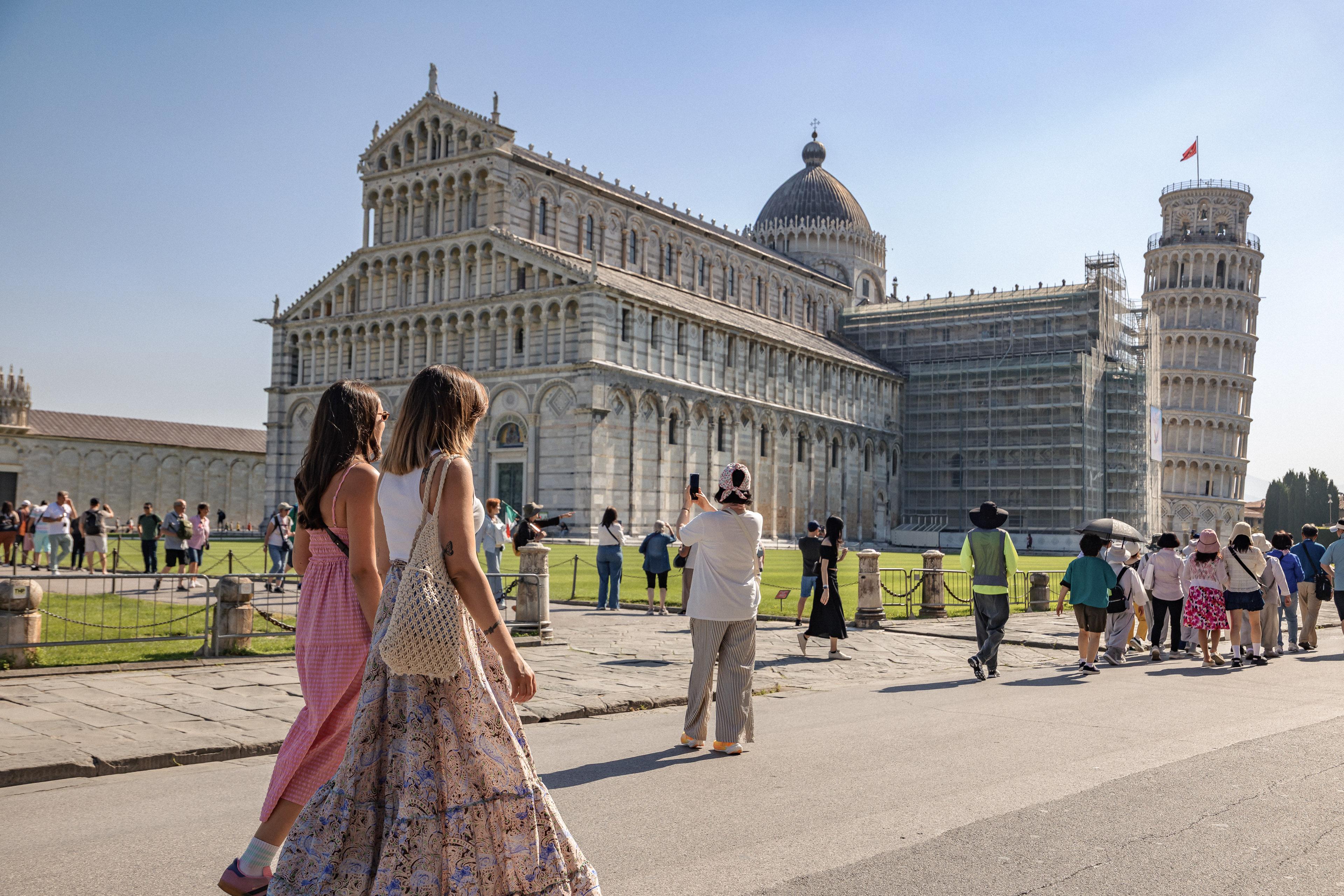
Tuscan Highlights: San Gimignano, Siena & Chianti Wine Experience 11 hours Free Cancellation

Tuscan Highlights: San Gimignano, Siena & Chianti Wine Experience

Journey through medieval Tuscany with wine tasting, traditional lunch, and visits to iconic hilltop towns

4.6 (3925)
FromFrom €79
See details
Tuscan Pasta-Making Workshop with Wine Tasting 3 hours Free Cancellation

Tuscan Pasta-Making Workshop with Wine Tasting

Master traditional pasta techniques in Florence's historic center with a professional chef

4.8 (791)
FromFrom $46.45
See details
Tuscan Farm Experience: Wine, Pasta & Vineyard Walk 7 hours Free Cancellation

Tuscan Farm Experience: Wine, Pasta & Vineyard Walk

Escape to a working farm near Florence for wine tasting, pasta-making, and countryside exploration

4.9 (711)
FromFrom $114.97
See details
Tuscany Highlights: Siena, San Gimignano, Pisa & Chianti Winery 12 hours Free Cancellation

Tuscany Highlights: Siena, San Gimignano, Pisa & Chianti Winery

Full-day journey through Tuscany's treasures with wine tasting and authentic lunch at a countryside estate

4.8 (5152)
FromFrom €135
See details
Authentic Pasta Making & Wine Tasting in Historic Florentine Palace 3 to 3.5 hours Free Cancellation

Authentic Pasta Making & Wine Tasting in Historic Florentine Palace

Learn traditional pasta crafting techniques, explore a unique museum, and savor Tuscan wines

4.9 (756)
FromFrom $56.91
See details
Tuscan Cooking Workshop with Market Visit & Tiramisu 5 to 6 hours Free Cancellation

Tuscan Cooking Workshop with Market Visit & Tiramisu

Learn to cook authentic Italian dishes at a countryside farmhouse after shopping at Florence's market

4.9 (490)
FromFrom $92.91
See details
Tuscany Full-Day Tour: Pisa, Siena & San Gimignano with Lunch 12 hours Free Cancellation

Tuscany Full-Day Tour: Pisa, Siena & San Gimignano with Lunch

Journey through Tuscany's iconic towns and vineyards on a comprehensive day trip from Florence.

4.6 (4868)
FromFrom $75.49
See details
The experience

What visiting Florence Wine Tour and Cooking Class is really like

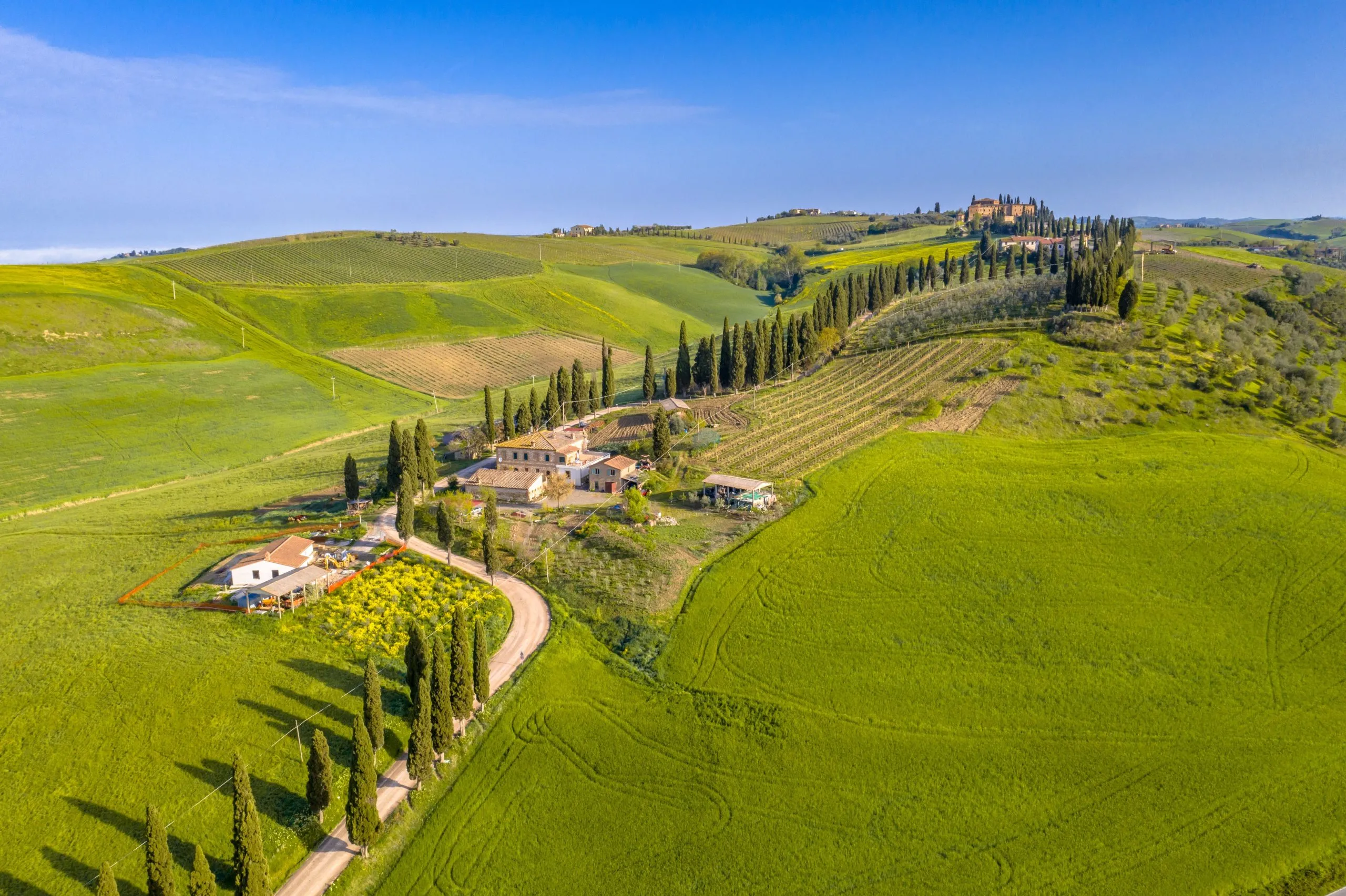
You begin in Florence's centro storico, where a driver collects you for the thirty-minute climb into Chianti's hills. The van ascends past olive terraces and stone farmhouses, the city's terracotta roofline receding below.

Read more Show less

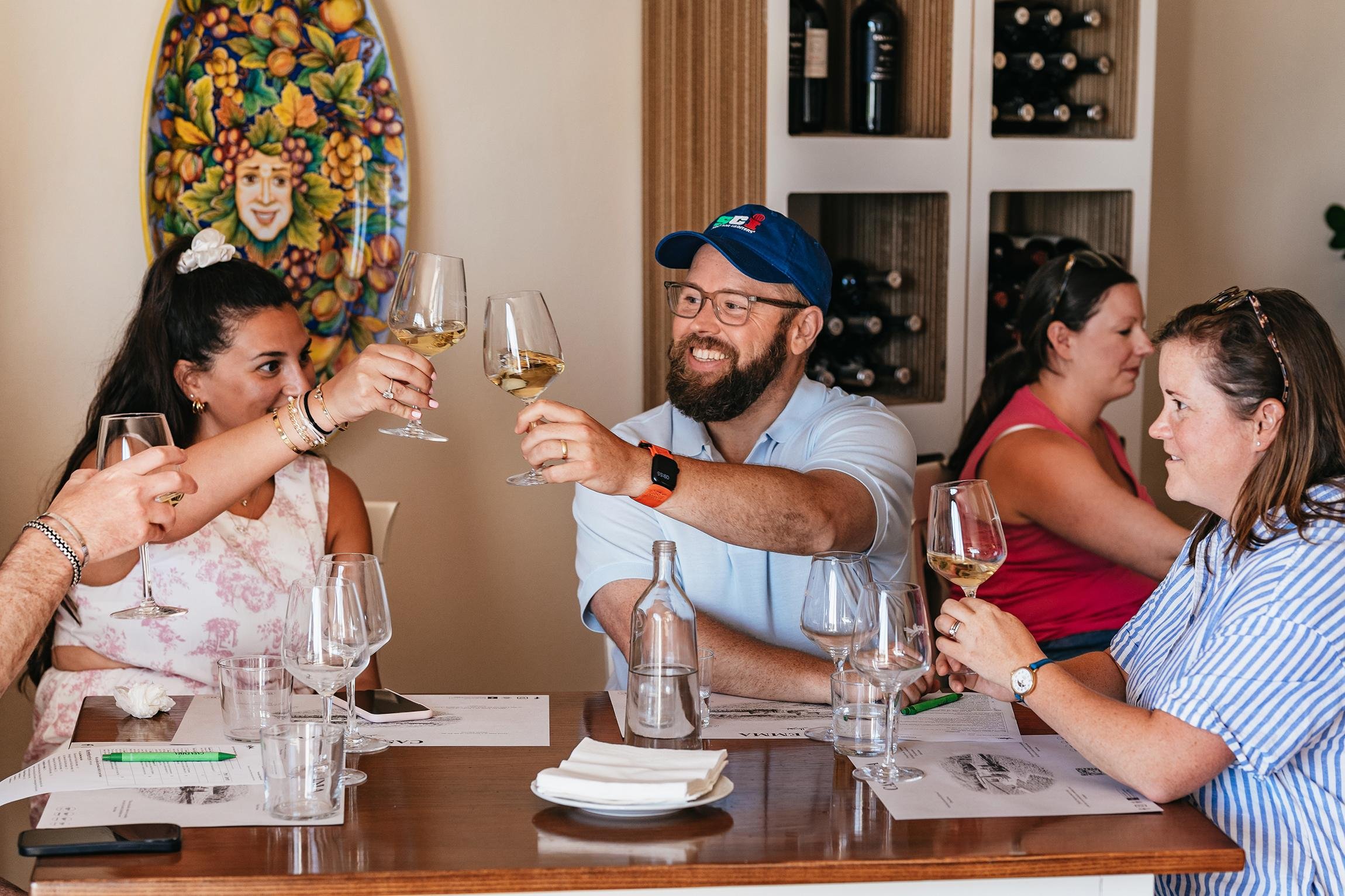
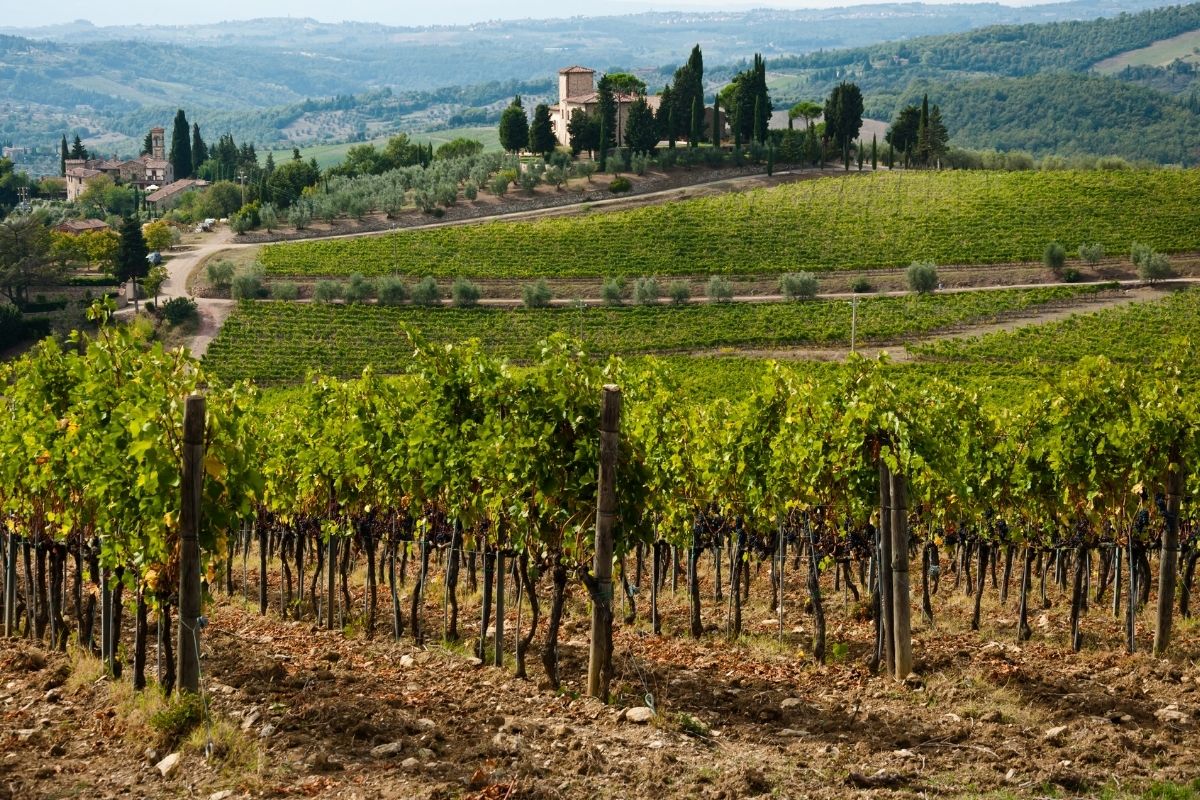
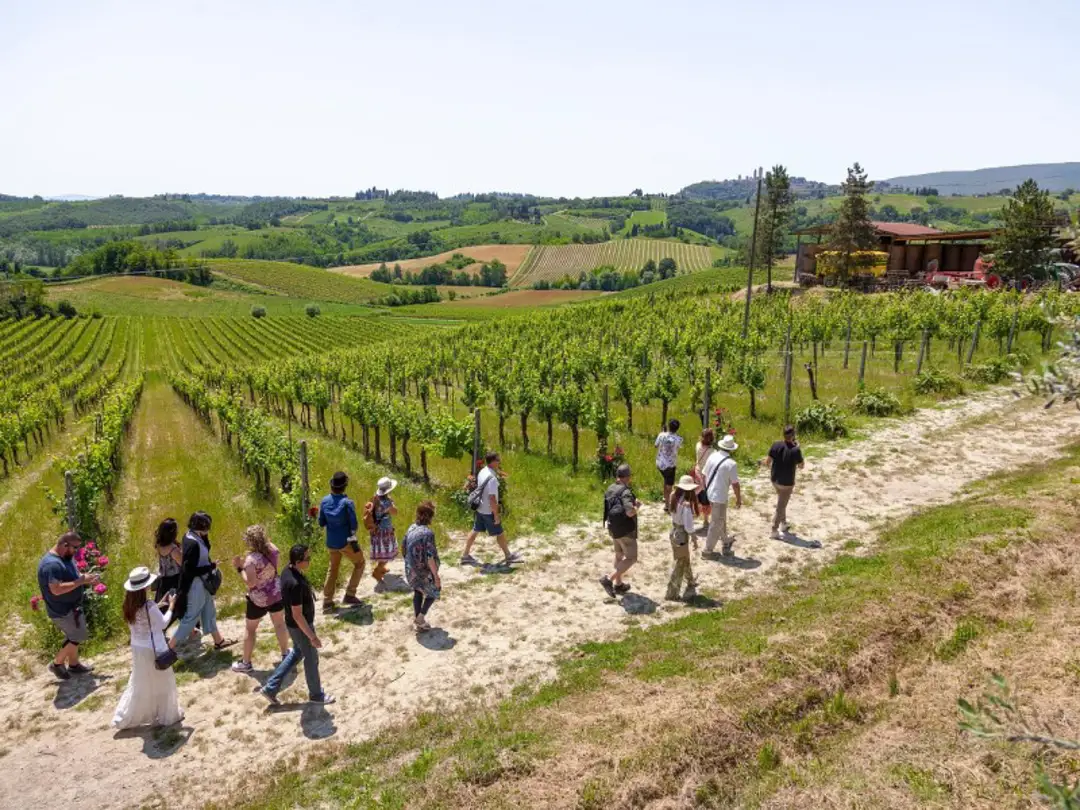
At the estate, you walk rows of Sangiovese vines trained on wire trellises, the winemaker explaining how altitude moderates August heat and prevents overripening. In the cantina, oak barrels release vanilla and cedar notes into cool air. You taste three vintages in sequence — a young Chianti, a Riserva aged twenty-four months, a Super Tuscan blending Sangiovese with Merlot — noting how tannin structure evolves with time.

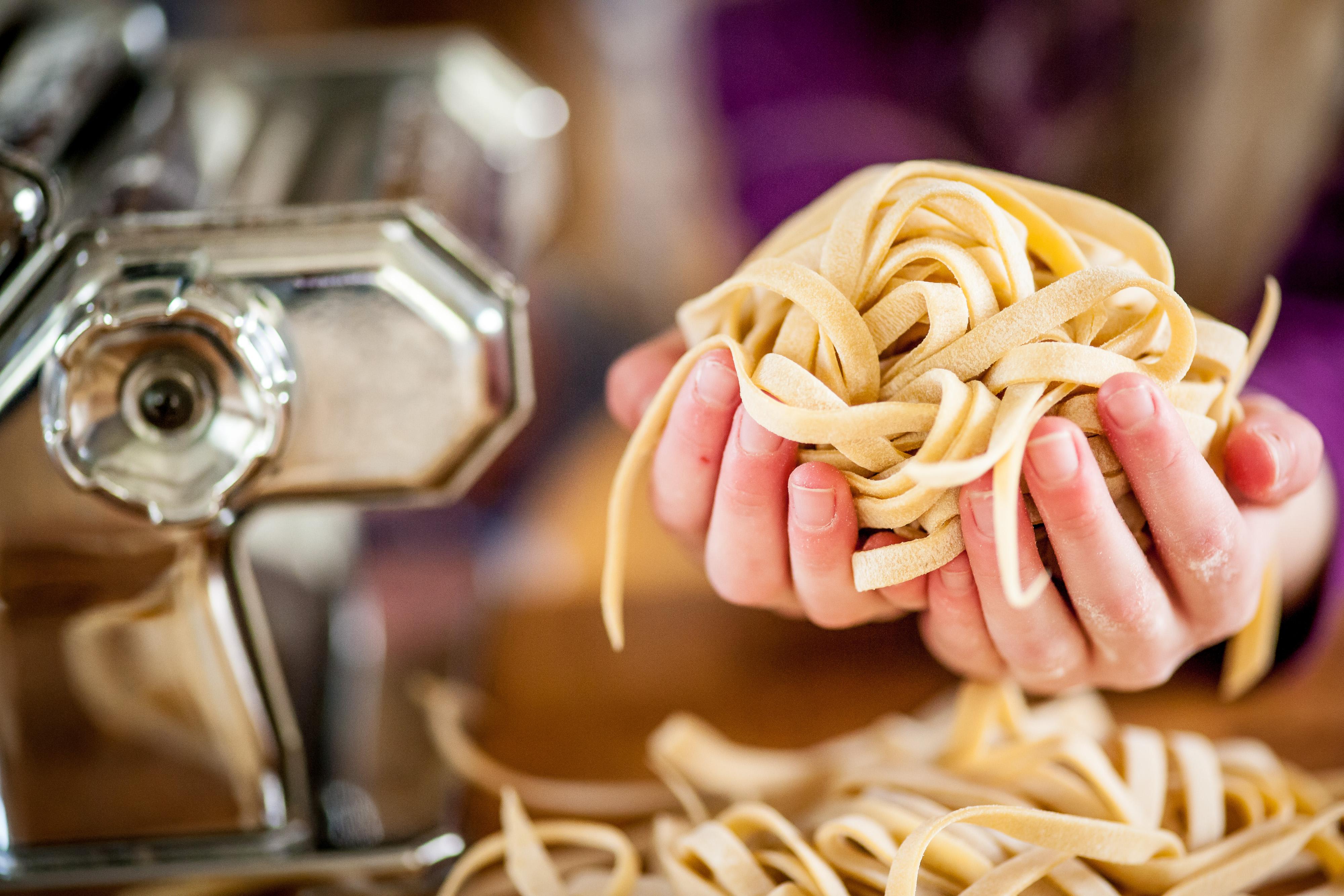
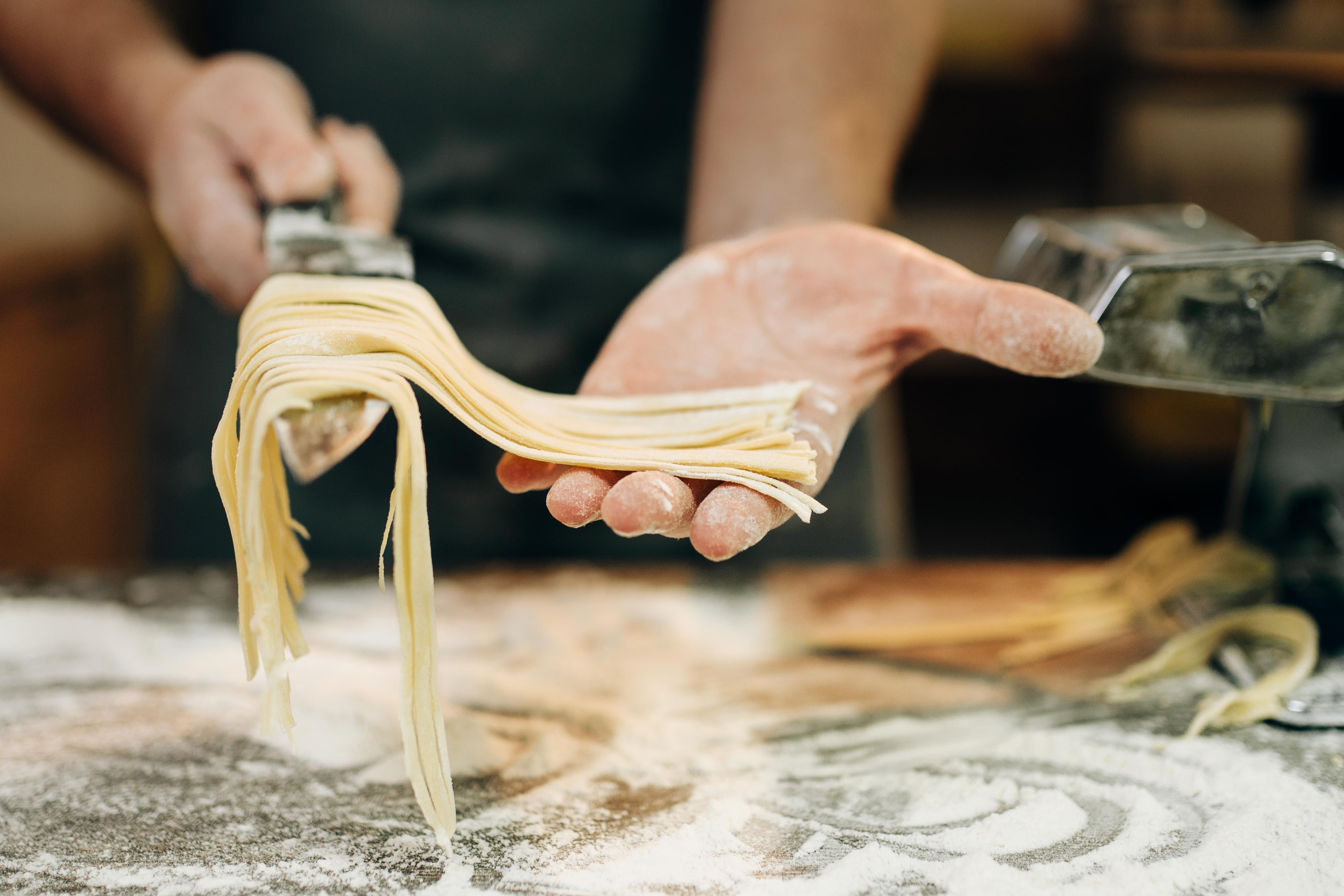
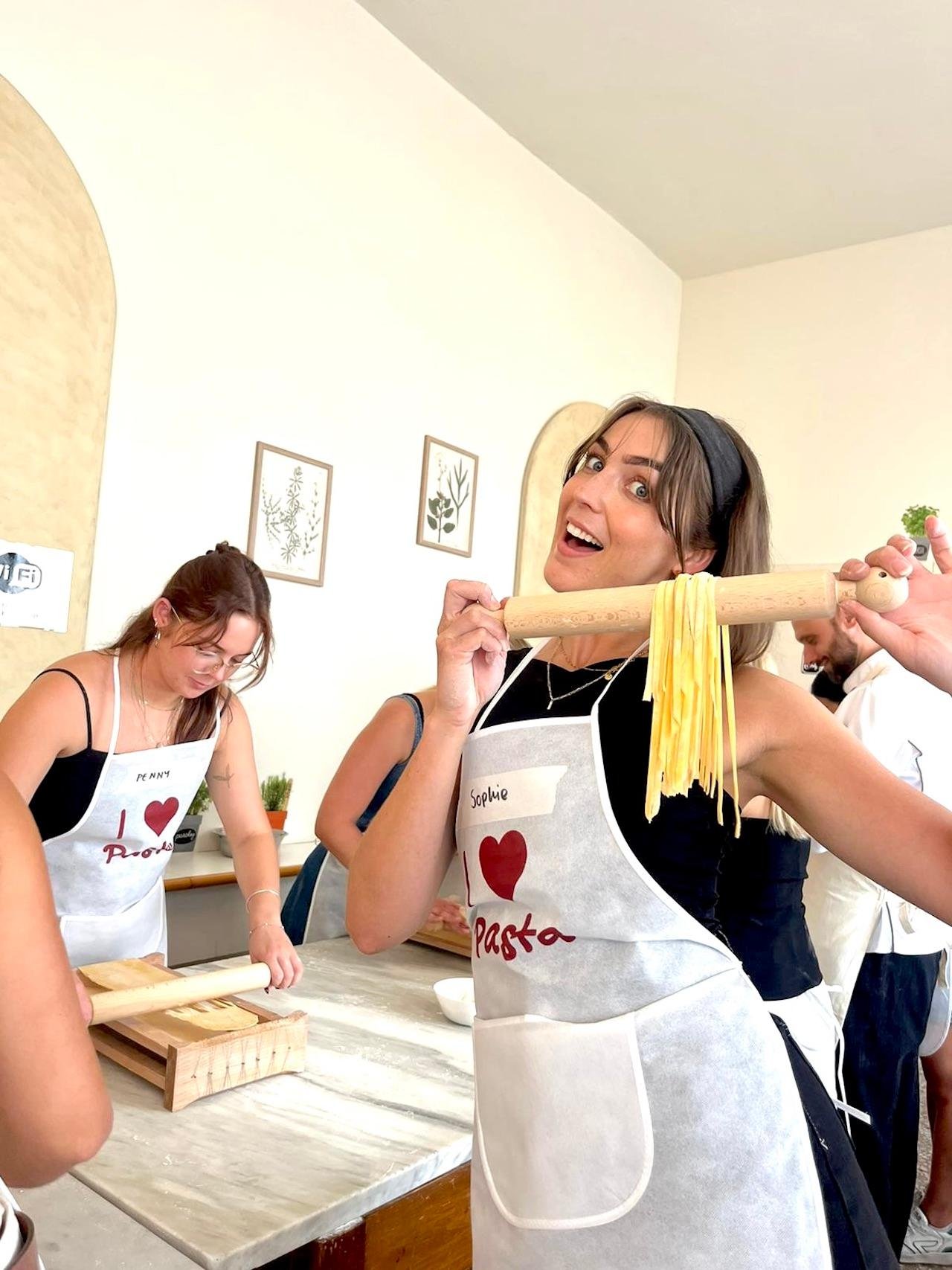
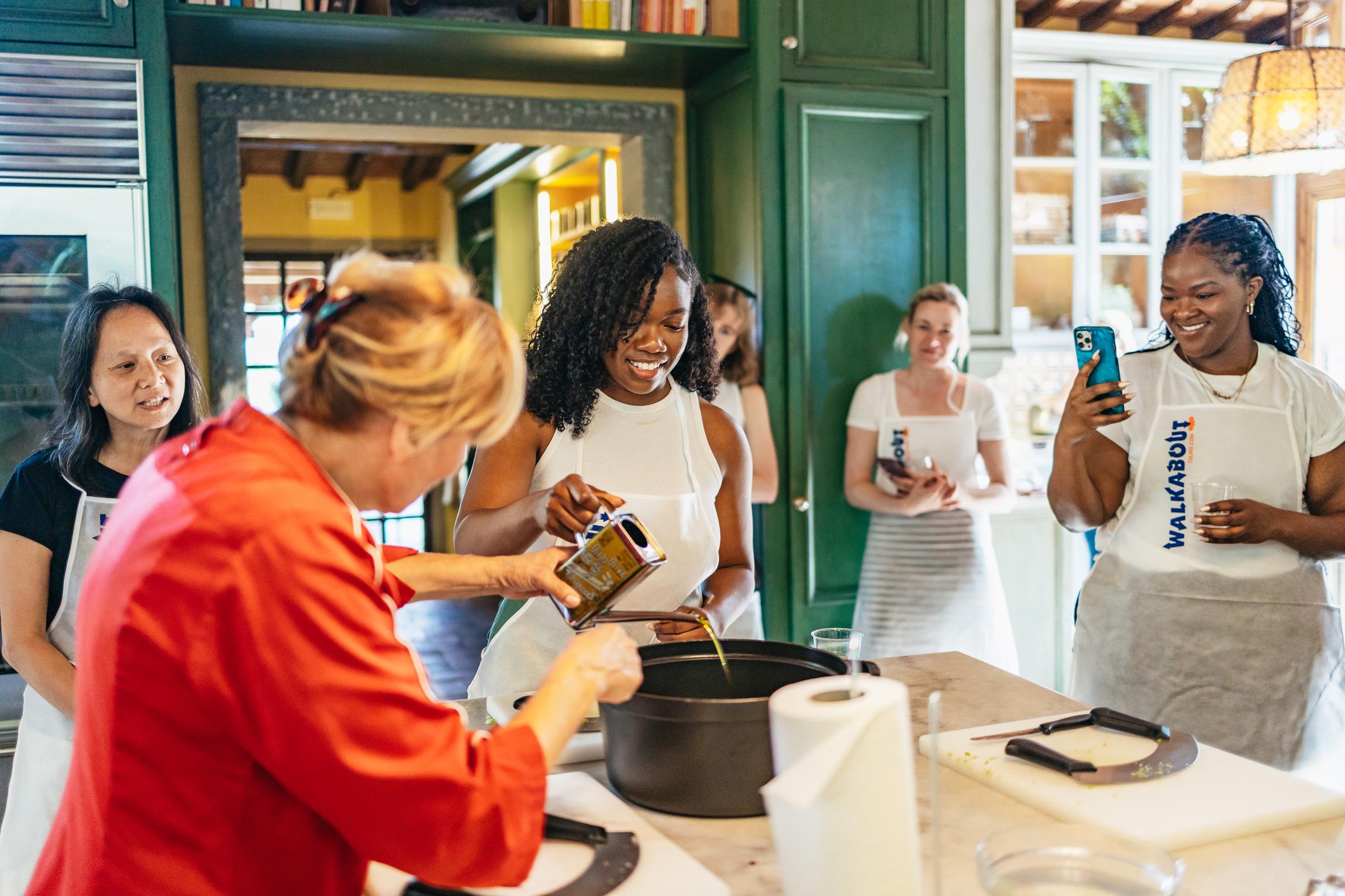
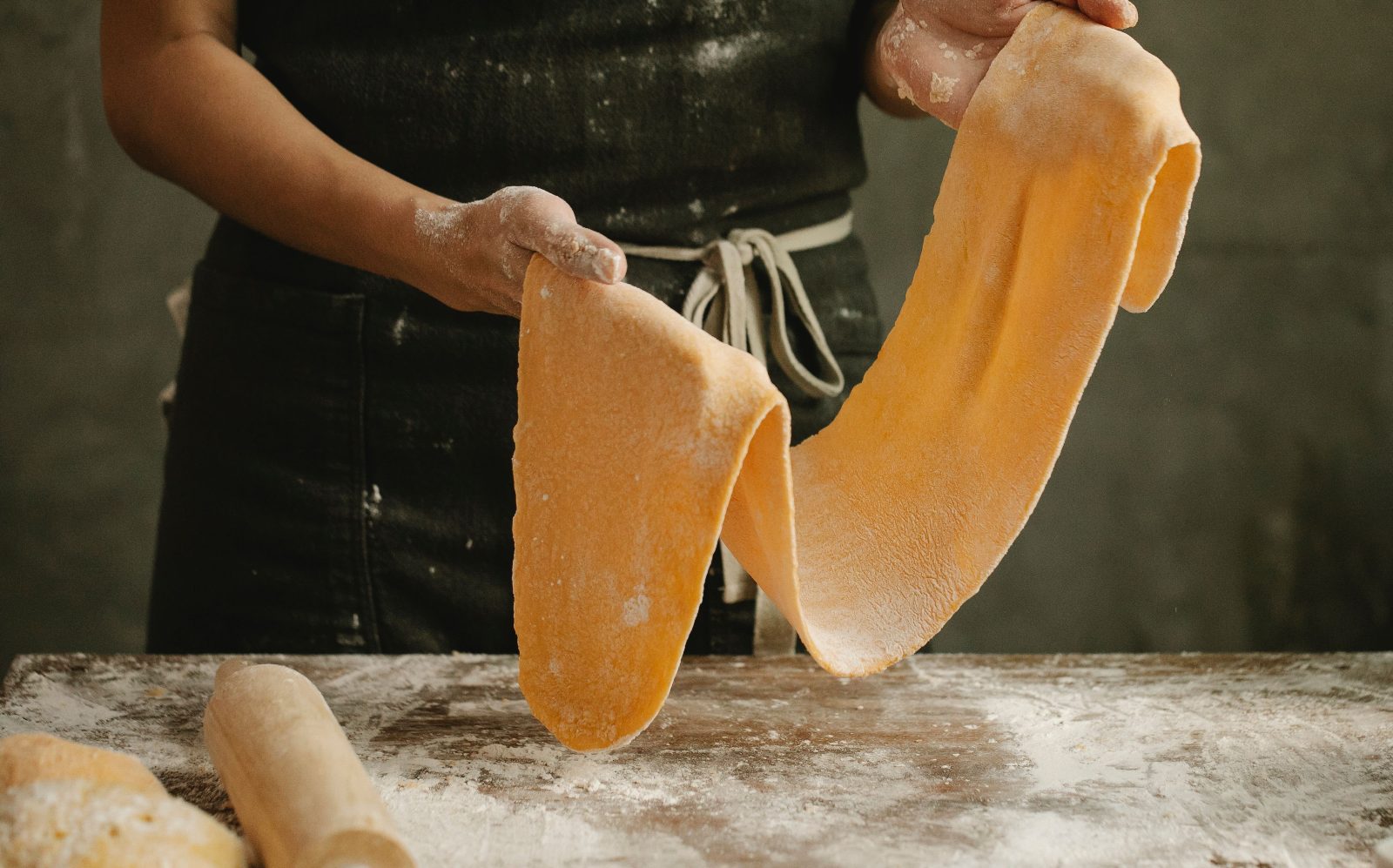
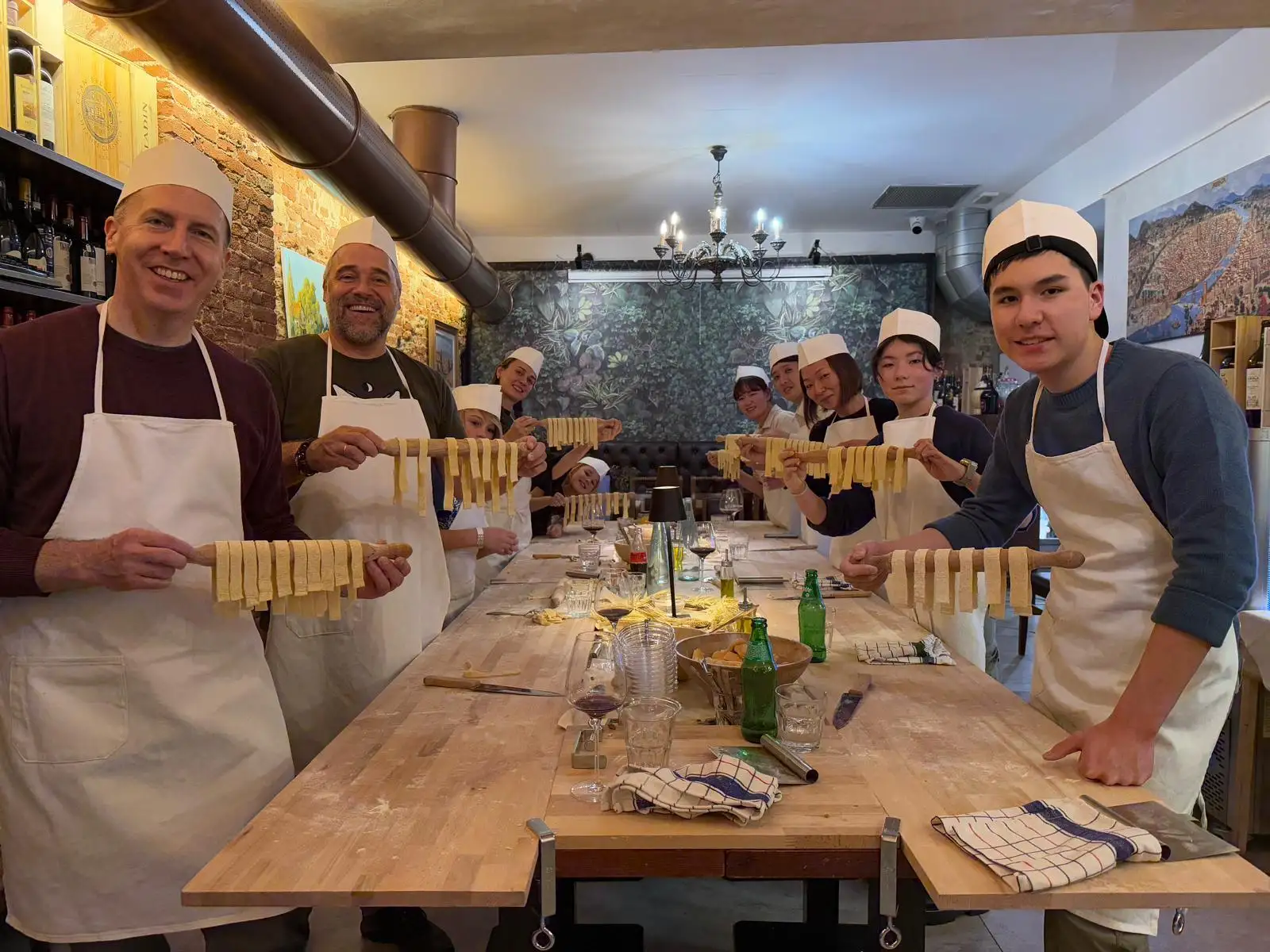
The cooking portion unfolds in a restored tower or villa kitchen, its walls lined with copper pots and terracotta amphorae. You measure flour into a well on a wooden board, crack eggs into the center, and begin folding the mixture with your fingertips until a shaggy dough forms. Ten minutes of kneading transform the mass into a smooth, elastic sheet. You roll it thin, cut ribbons for pappardelle, and pinch corners to form tortellini. The chef demonstrates a ragu made with local Chianina beef, its marbling breaking down over three hours of slow simmering. You sit outdoors beneath pergolas heavy with grapes, tasting your pasta alongside bruschetta rubbed with garlic and drizzled with unfiltered olive oil pressed on-site. The estate's reserve Chianti accompanies each course, its acidity cutting through the richness of egg yolk and beef fat. You leave with flour beneath your nails and the knowledge of correct pasta hydration ratios.

Florence Wine Tour and Cooking Class
Everything You Need to Know

Your complete Florence Wine Tour and Cooking Class guide

All the details about your upcoming adventure in one place

Tuscany's culinary identity was codified not in restaurant kitchens but in sharecropper farmhouses, where mezzadria families transformed flour, eggs, and hillside grapes into survival.

By the fourteenth century, Florentine grain merchants controlled wheat routes from the Black Sea to the Arno, yet the region's signature dishes — ribollita, pappa al pomodoro, hand-rolled pici — emerged from scarcity rather than abundance. Wine followed a parallel trajectory. Chianti's formula was formalized in 1716 when Cosimo III de' Medici drew boundaries around four production zones, creating Europe's first legally protected wine appellation three centuries before the DOC system. The Sangiovese grape, temperamental and late-ripening, demanded southern slopes and patient winemakers who understood that tannins softened with altitude.

Today, the Florence wine tour and cooking class market reflects this duality of peasant craft and protected tradition. Workshops unfold in stone towers where grain was once milled, their vaulted ceilings now hosting pasta boards dusted with semolina. Participants knead dough using the same palm-heel motion documented in Renaissance frescoes, then sit beneath exposed beams to taste the results alongside estate-bottled Chianti Classico. The ritual is performative but technically grounded — flour hydration ratios matter, as does the angle of the rolling pin when laminating sfoglia for pappardelle. Wine estates operate under DOCG regulations that dictate everything from vine density per hectare to minimum aging periods in Slavonian oak. A Chianti Classico Riserva sampled during a vineyard tour has spent at least twenty-four months in barrel and three in bottle, its garnet hue a chemical record of phenolic compounds extracted during maceration.

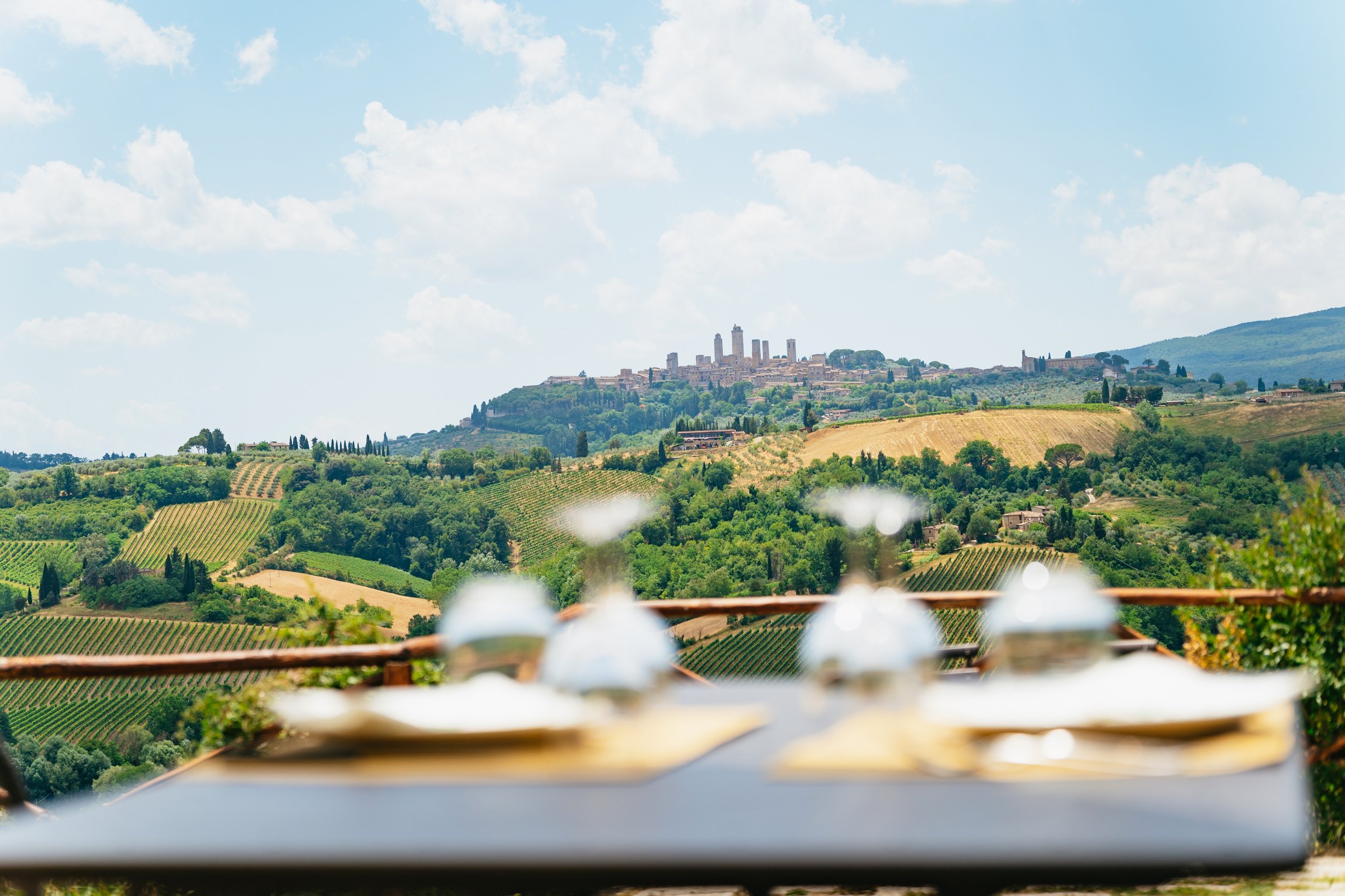
The geography is deliberate. San Gimignano's medieval towers rise from tufa soil that yields Vernaccia's mineral backbone. Siena's terra di Siena clay, rich in iron oxide, anchors Sangiovese roots against summer drought. Florence serves as the logistical hub, its position at the confluence of the Arno and Mugnone rivers having made it a grain crossroads since Etruscan settlement. Modern culinary tourism retraces these supply lines in reverse — participants travel from the city to the estates that once fed it, now preserved as working museums of viticulture and milling. The experience packages history as participation: you shape tortellini in the same motion a Medici-era cook used, you swirl Chianti in the glass to oxygenate tannins the way fourteenth-century merchants assessed barrel samples. The pedagogy is tactile, the setting authenticated by centuries of unbroken agricultural use.
Chianti's formula was formalized in 1716 when Cosimo III de' Medici drew boundaries around four production zones, creating Europe's first legally protected wine appellation.

Dress code

Casual and comfortable clothing is recommended for a florence wine tour and cooking class. Closed-toe shoes are advised for movement within winery production areas and kitchens.

Bags & security

Large backpacks and bulky luggage should be left at your accommodation. Security protocols for each florence wine tour and cooking class vary depending on the specific estate.

Photography

Photography is generally permitted throughout the estate grounds and during cooking demonstrations. Please request permission before capturing private staff or other participants.

Families & strollers

Children are welcome on many tours, though specific age limits for wine tasting apply. Family-oriented sessions may be requested when booking your florence wine tour and cooking class.

Accessibility

Many historic Tuscan farmhouses have limited accessibility for guests with mobility issues. Verify site infrastructure before reserving your florence wine tour and cooking class.

Food & drink

Outside food is not permitted, as the experience centers on prepared meals and tastings. Please inform the operator of dietary restrictions prior to your florence wine tour and cooking class.

Not allowed

× Large luggage × Professional recording equipment × Pets × Illegal substances × Weapons × External catering × Glassware × Drones

What to bring

✓ Comfortable walking shoes ✓ Water bottle ✓ Sunscreen ✓ Valid photo ID ✓ Printed or digital voucher ✓ Camera

Opening hours

Mon Closed
Tue Closed
Wed Closed
Thu Closed
Fri Closed
Sat Closed
Sun Closed

How to get there

Closures & exceptions

  • ·Every Monday — Weekly closure
  • ·Every Tuesday — Weekly closure
  • ·Every Wednesday — Weekly closure
  • ·Every Thursday — Weekly closure
  • ·Every Friday — Weekly closure
  • ·Every Saturday — Weekly closure

At a glance

Operating Hours

09:00 – 17:00

Address

Multiple locations throughout Florence and the Tuscany region, Italy

Accessibility

Varies by estate; confirm individual site access when booking

Best Window

09:00 – 17:00

Storage

Not available at most rural estates

Getting there

Car · 60-90 min · Varies by vehicle type

Private transport or rental is the most direct way to reach rural estates

Public transport · 90-120 min · Budget-friendly options

Regional trains serve major towns but often require local taxi transfers

Cancellation policy

Full refunds are typically provided for cancellations made at least 24 to 48 hours prior to the experience. Late cancellations may incur fees as specified in individual booking terms.

Plan your time

Florence Wine Tour and Cooking Class Timing and Duration

Recommended time

Full day

Selecting a florence wine tour and cooking class requires balancing intensive culinary preparation with leisurely vineyard exploration. These Tuscany excursions typically span six to eight hours, though you can adjust this based on your interest in regional viticulture or hands-on gastronomy. As these sessions are private service experiences, you avoid traditional public queues, allowing for a seamless flow throughout the day. When booking florence wine tour and cooking class tours, ensure your itinerary accounts for travel time between the city center and the countryside estates.

Crowd levels through the day

09:00–11:00 Light
11:00–13:00 Moderate
13:00–15:00 Peak
15:00–17:00 Moderate
Plan ahead

Best time to visit Florence Wine Tour and Cooking Class

Weather · crowds · average price — dots go green to amber to red as each metric rises.

Spring

Mild weather and blooming vineyards make this ideal for outdoor tours.

Autumn

September and October offer the grape harvest season and temperate climates.

Insider tips

Helpful tips for visiting Florence Wine Tour and Cooking Class

Book in advance

Secure your florence wine tour and cooking class tickets well before your travel date.

Dietary needs

Communicate allergies to the operator at least 48 hours beforehand.

Wine shipping

Check if the estate provides international shipping for bottle purchases.

Where to meet

Florence Wine Tour and Cooking Class meeting points

Florence Santa Maria Novella

Piazza della Stazione, 1

Common pickup point for regional excursions

Get directions
The story

The history of Florence Wine Tour and Cooking Class

The marriage of Tuscan wine and culinary tradition reaches back to the Etruscans, who cultivated vines along the Arno valley centuries before Roman conquest. By the medieval period, Florence had emerged as a commercial hub where merchant guilds regulated both viticulture and the sale of grain, oil, and wine. The Chianti region, formalized by Cosimo III de' Medici's 1716 edict, became the world's first legally defined wine zone. That decree specified four communes whose sangiovese-based wines could bear the Chianti name, laying groundwork for appellations across Europe. Modern florence wine tour and cooking class experiences trace their structure to the agriturismi movement of the 1980s, when Italian law first permitted working farms to host paying guests. Tuscany's mezzadria sharecropping system had collapsed in the 1960s, leaving estates searching for revenue. The 1985 national agriturismi statute allowed vineyard owners to convert farmhouses into guest lodgings and offer hands-on cooking workshops using estate-grown produce. This legal shift transformed dormant properties into cultural classrooms. The 2008 financial crisis accelerated professionalization. Small wineries began partnering with culinary schools in Florence to design structured tasting protocols and teaching kitchens. Regional tourism boards standardized certifications for sommeliers and cooking instructors by 2012. Florence wine tour and cooking class tickets now represent a regulated sector, with operators required to hold food-handling licenses and liability coverage. The pandemic forced a pivot toward private estate visits rather than group buses, a format that persists today. Contemporary programs emphasize terroir and denominazione di origine controllata rules. Participants crush tomatoes in August, press olives in November, and follow harvest calendars that dictate menu design. The fusion of vineyard labor and kitchen technique reflects centuries of Tuscan peasant economy, now repackaged for visitors seeking tactile engagement with working landscapes.

8th c. BCE

Etruscans plant vines along the Arno and establish early winemaking techniques in central Italy.

1716

Grand Duke Cosimo III de' Medici issues an edict defining the Chianti wine zone, creating the first protected geographic designation.

1960s

The mezzadria sharecropping system collapses, leaving Tuscan estates to seek alternative revenue streams.

1985

Italy enacts agriturismi legislation, permitting working farms to host guests and offer culinary workshops.

2008–2012

Economic downturn drives wineries to professionalize tour offerings and partner with Florentine culinary schools.

2020

Pandemic restrictions shift group bus tours toward private estate visits, a model that remains dominant.

2026

Florence wine tour and cooking class tours operate under strict regional certifications for food safety and sommelier credentials.

Photo spots

Best photo spots at Florence Wine Tour and Cooking Class

Chianti Vineyards

Chianti Vineyards

Best light · Golden hour

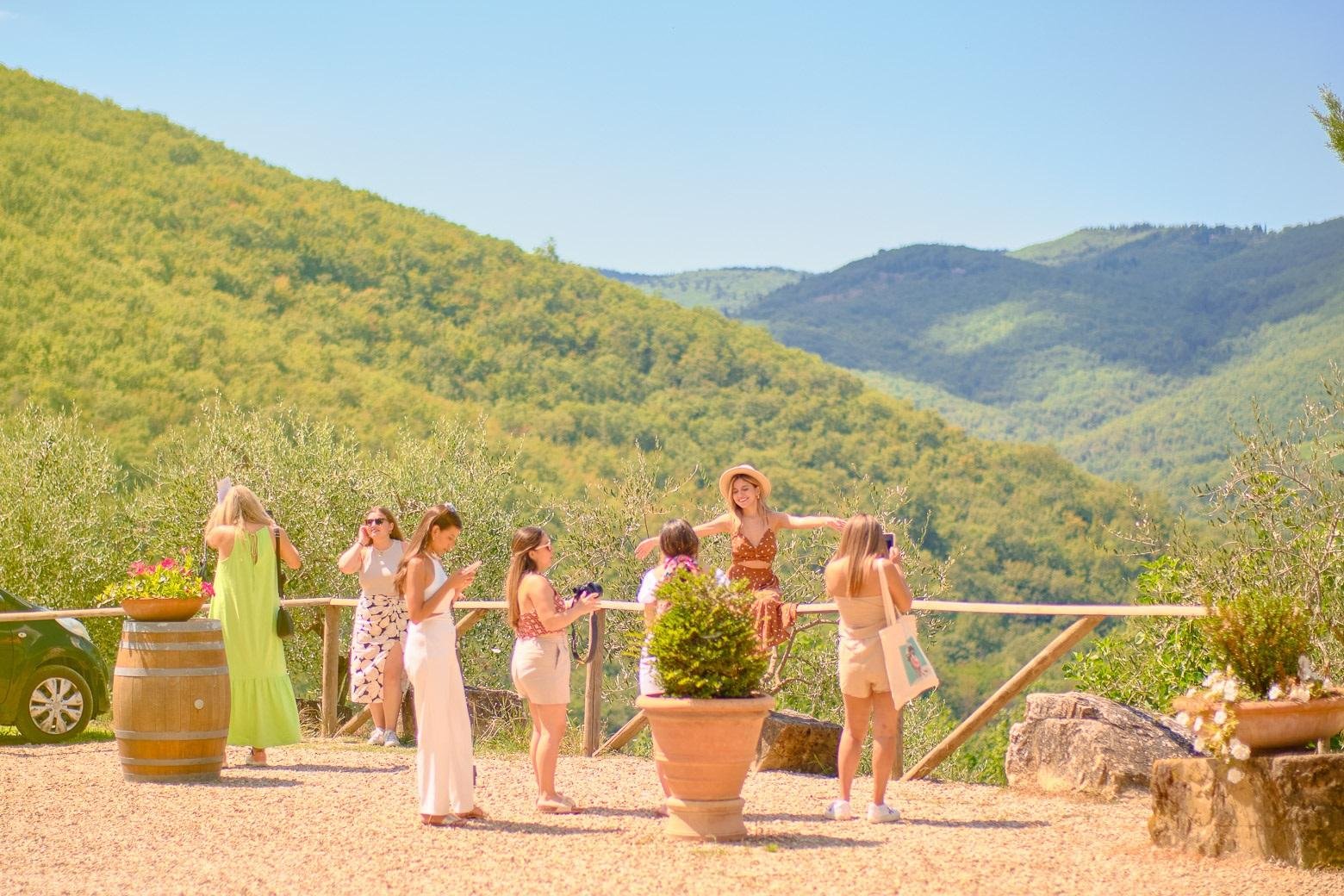
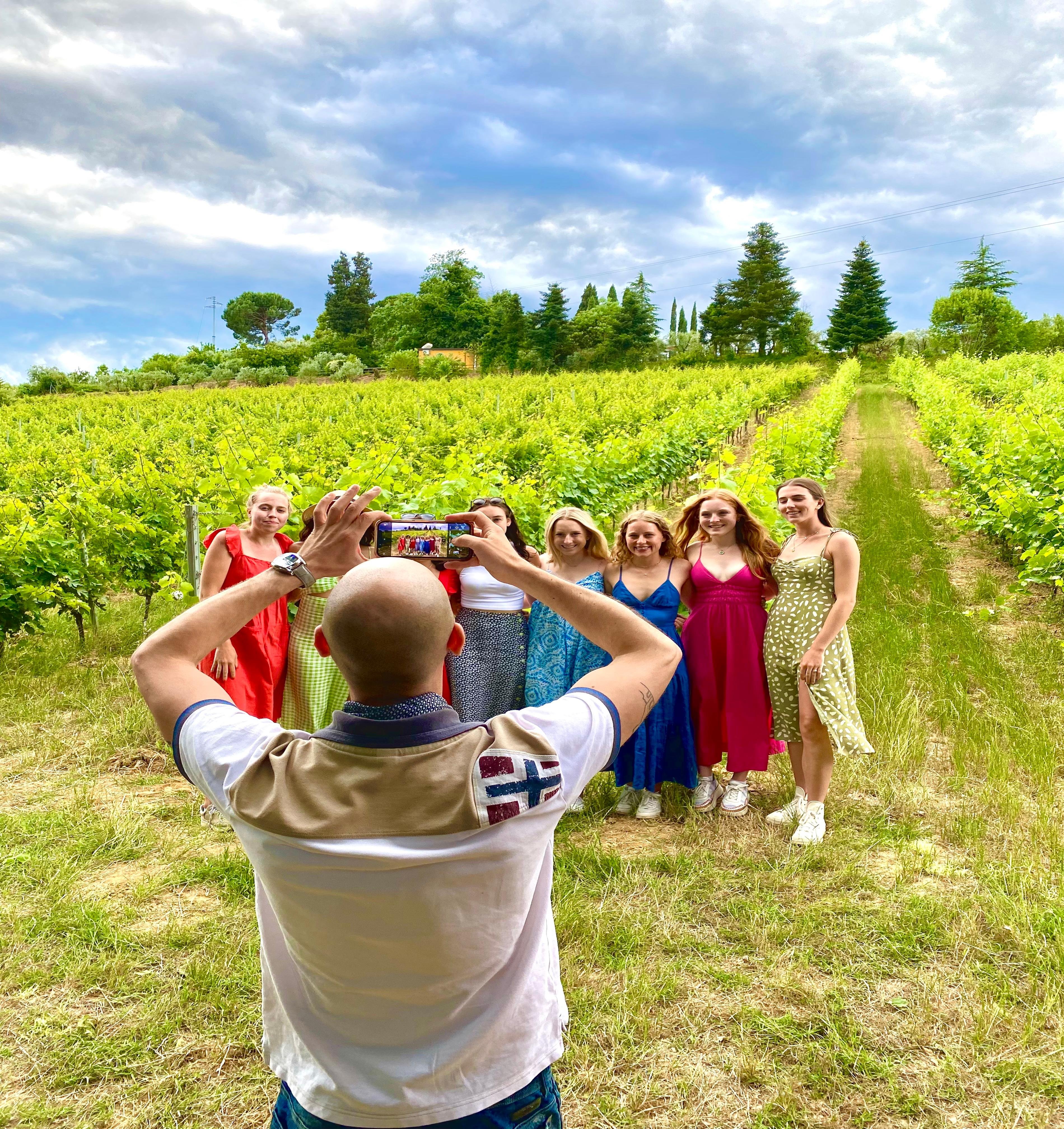
Stand amidst the rows of Sangiovese vines to capture the rolling hills of Tuscany in the soft afternoon light. This location provides a classic backdrop for a florence wine tour and cooking class session.

Gallery

Moments from Florence Wine Tour and Cooking Class

With kids

Family Logistics for a Florence Wine Tour and Cooking Class

Planning a florence wine tour and cooking class requires balancing regional travel with engaging activities for younger travelers. These Tuscany culinary experiences often involve farm-to-table preparation and vineyard exploration that can be adapted for families seeking a full cultural experience.

Stroller Accessibility

Rural vineyard terrain and farmhouse kitchens are rarely stroller-friendly, so bring a structured carrier for infants. Most florence wine tour and cooking class tours involve uneven paths unsuitable for wheels

Best Ages

Children aged eight and older typically gain the most from hands-on pasta making and farm tours. Younger children may find the duration of these florence wine tour and cooking class tour sessions challenging during long afternoons

Pacing

Regional excursions require significant travel time, so plan for a relaxed pace between Florence and the Tuscan countryside. Confirm that your chosen florence wine tour and cooking class tickets include private transportation to minimize stress

Dietary Needs

Most hosts accommodate specific requests if notified well in advance of your arrival. It is helpful to confirm that the menu includes kid-friendly options before you secure your booking.

Food & drink

Dining and Culinary Experiences Beyond Your Florence Wine Tour and Cooking Class

Since many guests participate in a florence wine tour and cooking class, you will often find your meals are already included as part of the itinerary. If you prefer to explore local flavors independently, the streets surrounding these meeting points offer authentic Tuscan trattorias.

Trattoria Za Za

€€

Traditional Tuscan

Located a short walk from central meeting points, this spot is ideal for ribollita or classic steak. It can get busy during peak hours, so reservations are recommended.

Mercato Centrale

€–€€

Gourmet Food Hall

This historic market offers a variety of regional snacks perfect for a light bite after finishing your florence wine tour and cooking class tours. It provides a casual atmosphere to sample local cheeses and cured meats.

Osteria Pastella

€€

Handmade Pasta

Known for its fresh pasta prepared tableside, this restaurant is a popular choice for those wanting an authentic meal before starting their florence wine tour and cooking class tickets. The dining room remains compact, making it better for smaller groups.

FAQ

Florence Wine Tour and Cooking Class — frequently asked questions

Everything you need to know for your journey

Around the corner

More to see near Florence Wine Tour and Cooking Class

Ponte Vecchio

15 min

landmark

A medieval stone bridge spanning the Arno River.

Basilica di Santa Croce

15 min

church

Final resting place of notable Italian figures.

Piazza della Signoria

15 min

square

An L-shaped square hosting the Palazzo Vecchio.

Where to stay

Where to stay near Florence Wine Tour and Cooking Class

Hotel Brunelleschi

10 min

luxury

Centrally located near historic districts.

Hotel Roma

10 min

mid-range

Convenient access to transit hubs.

Ready for Adventure?

Join thousands of happy travelers who have discovered this incredible experience

Book Your Experience Now