
Quick answer
A florence wine tasting tour typically operates as a private commercial service departing from the city center, with vineyard visits scheduled between 10:00 and 17:00 when estates are most prepared to receive guests. Tours include transportation to Chianti or Montalcino estates, guided tastings of DOC and DOCG wines, and often a traditional Tuscan lunch. Most operators require advance booking since tastings are by appointment only at working wineries.
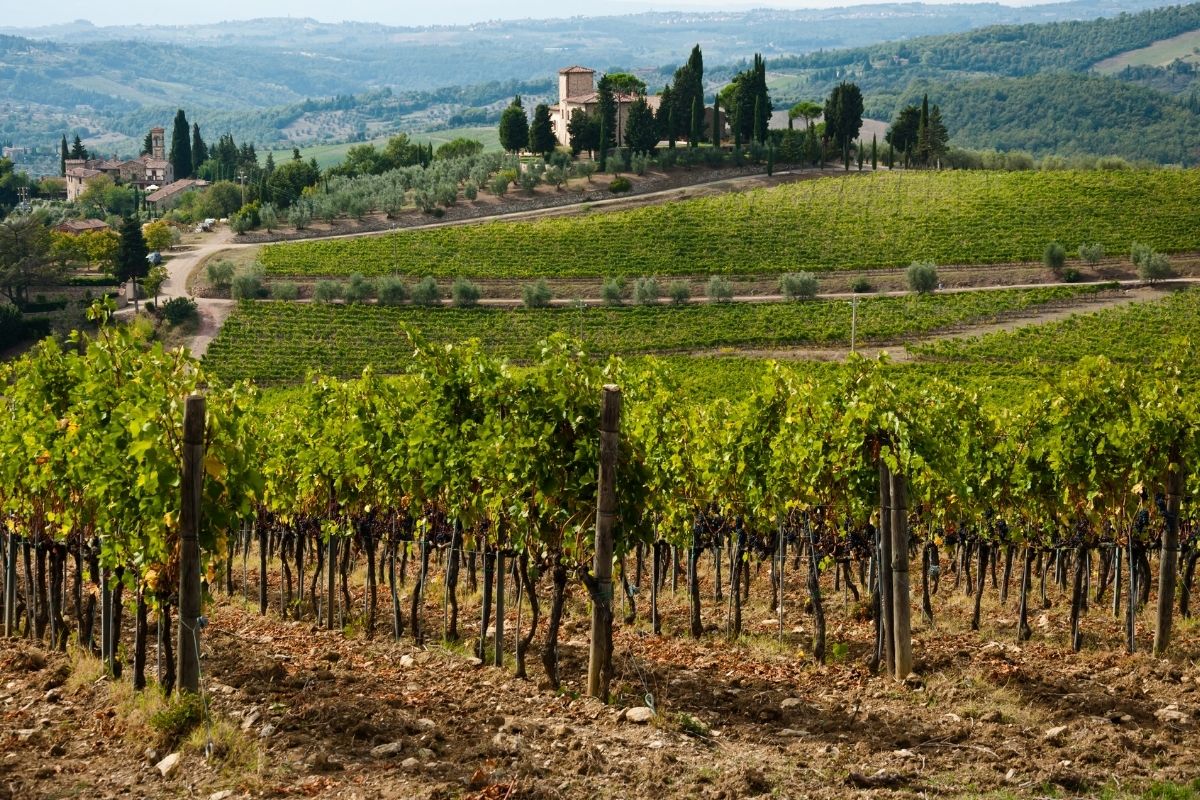
Tuscany produces more than 60 million bottles of Chianti annually, yet fewer than 200 estates open their cellars to walk-in visitors. The structure of wine tourism around Florence reflects this reality: tastings occur by reservation at working farms, not ticketed attractions. A florence wine tasting tour bridges that gap, coordinating appointments at family-run estates that otherwise remain closed to spontaneous arrivals. The Chianti region stretches south from Florence's hills into Siena province, with estates scattered across narrow roads that wind through olive groves and medieval hamlets. Most tours visit two or three wineries in a half-day or full-day itinerary, allowing time for cellar tours, barrel room explanations, and seated tastings of four to six wines per stop. The format is educational rather than transactional: winemakers or estate staff walk guests through terroir, fermentation methods, and the denomination system that governs Sangiovese-based wines. Tours depart Florence in small groups or private vehicles, typically mid-morning to align with the 10:00–17:00 window when estates are staffed for visitors. Spring and autumn bring moderate temperatures ideal for walking vineyards, though summer and winter tours operate year-round. The tasting experience itself unfolds in stone cellars, villa terraces, or tasting rooms overlooking the estate's vines, with pairings of local pecorino, cured meats, and olive oil common across operators. Booking in advance is not ceremonial. Estates limit daily visitors to preserve operations, and high-demand properties in Greve, Castellina, and Radda fill weeks ahead during harvest and September-October peak season. Operators handle reservations, confirm dietary restrictions, and provide context that independent visitors miss—how DOCG certification works, why altitude affects tannin structure, what makes a Riserva different from an Annata. The coordination removes guesswork, turning a logistical puzzle into a structured introduction to Tuscan viticulture.
“Fewer than 200 Chianti estates open their cellars to walk-in visitors, making advance reservations the standard rather than the exception.”
Florence Wine Tasting Tour Operating Hours
Florence wine tasting tours are private commercial services that operate based on individual provider schedules rather than standardized public attraction hours.
| Monday | Closed | |
|---|---|---|
| Tuesday | Closed | |
| Wednesday | Closed | |
| Thursday | Closed | |
| Friday | Closed | |
| Saturday | Closed | |
| Sunday | Closed |
Typical Itinerary for a Florence Wine Tasting Tour
Most half-day wine tours in the Chianti or Montalbano hills follow a similar rhythm, blending vineyard walks with cellar education and structured tastings. Full-day itineraries add a second estate or a farmhouse lunch between properties.
Departure from Florence
Your driver collects you from your hotel or a central meeting point and heads into the countryside, typically reaching the first winery within 45 minutes.
Vineyard and Cellar Tour
A guided walk through the rows explains grape varieties and terroir, followed by a cellar tour covering oak aging and fermentation tanks.
Seated Wine Tasting
You sample four to six wines—often Chianti Classico, Super Tuscans, and a Vin Santo—paired with local cheeses, olive oil, and bread.
Lunch or Second Estate
Half-day tours return to Florence; full-day options include a multi-course lunch at the estate or transfer to a second winery for additional tastings.
Return to Florence
The driver drops you back at your hotel, completing the loop before evening.
Common Mistakes to Avoid on a Florence Wine Tasting Tour
Florence wine tasting tours require advance planning and realistic logistics. Most booking problems stem from underestimating transport needs or choosing the wrong season for availability.
Booking too close to travel dates
Reserve at least two weeks ahead during spring and fall when demand peaks. Last-minute availability drops significantly in high season.
Assuming tours depart from central Florence
Most Chianti and Tuscany wineries lie 30–60 minutes outside the city. Confirm pickup location and whether transport is included when booking.
Skipping lunch arrangements on full-day tours
Many tasting tours run 6–8 hours without scheduled meals. Book tours that include lunch or confirm break times to avoid hunger affecting your experience.
Ignoring winter and Monday closures
Numerous wineries close November through March or operate limited schedules. Always verify seasonal availability before booking off-season dates.
Checklist for Your Florence Wine Tasting Tour
Prepare these items before your wine tasting tour to ensure a smooth experience in Tuscany's vineyards.
-
Confirm your booking reference — You'll need this to check in with your tour operator.
-
Bring a valid ID — Some wineries require age verification for alcohol tastings.
-
Wear comfortable walking shoes — Vineyard tours often include uneven terrain and gravel paths.
-
Pack sun protection — Outdoor vineyard visits between 10:00–17:00 expose you to direct sunlight.
-
Bring a light jacket — Cellars remain cool year-round, even during summer months.
-
Carry a small bag — You'll want space for purchased bottles or tasting notes.
-
Have payment method ready — Many wineries accept cards, but smaller estates may prefer cash.
Check availability
Frequently asked questions about Florence wine tasting
Everything you need to know about florence wine tasting tour