

Quick answer
A florence wine tour day trip typically departs Florence between 09:00 and 10:00, returning by 18:00 to 19:00. The early departure window avoids peak traffic on SR222 through the Chianti hills and ensures cooler morning temperatures for vineyard walks. Most tours include two to three winery visits, cellar tours with winemakers or estate managers, comparative tastings of estate wines, and lunch at a hillside estate or agriturismo.
Ninety-one percent of Tuscan wine estates require advance booking for cellar access, a constraint that shapes the structure of every florence wine tour day trip. Unlike museum visits or city tours, vineyard itineraries depend on harvest cycles, fermentation schedules, and the availability of trained tasting-room staff. Operators block estate slots weeks in advance, coordinate lunch service with seasonal kitchens, and time arrivals to avoid overlapping groups in underground cellars built for thirty guests maximum. Chianti Classico estates occupy the ridge between Florence and Siena, a zone where elevation shifts from 250 to 600 meters within ten kilometers. The SR222 Chiantigiana road links these properties through hairpin curves and narrow village centers, making transit time between wineries unpredictable during midday traffic or autumn harvest convoys. A full-day wine excursion from Florence allocates sixty to ninety minutes per estate visit—enough time for a cellar walk, vertical tasting of three to five wines, and questions with production staff—plus thirty to forty-five minutes of driving between stops. Lunch typically spans ninety minutes at a working farm estate where courses pair with estate reserves. Most Tuscan wineries open tasting rooms at 10:00, close for pranzo between 13:00 and 15:00, then resume afternoon visits until 17:30. This three-hour midday closure forces tour operators to structure itineraries around either morning-and-lunch or lunch-and-afternoon patterns. The morning departure window matters because it determines whether your first estate visit occurs during the quiet 10:00 slot or the crowded 11:30 rush when multiple coach groups arrive simultaneously. Operators departing Florence by 09:00 reach Greve in Chianti or Castellina before other traffic, securing private cellar access and unhurried conversations with cantina managers. September through November brings vendemmia—harvest season—when estates prioritize grape processing over visitor services. Some properties close tasting rooms entirely during peak harvest weeks; others limit group sizes or shorten tour durations. Spring and early summer offer the opposite advantage: cellars are quieter, winemakers have more availability for technical discussions, and vineyard walks reveal flowering vines and young fruit clusters that illustrate the growing cycle.
“Ninety-one percent of Tuscan wine estates require advance booking for cellar access, a constraint that shapes the structure of every full-day tour.”
Florence Wine Tour Day Trip: A Sample Itinerary
This sample itinerary suits travelers seeking a structured full-day excursion into Chianti or Montalcino wine country. Plan for 8–10 hours door-to-door, including roughly 90 minutes of total drive time each way.
Depart Florence
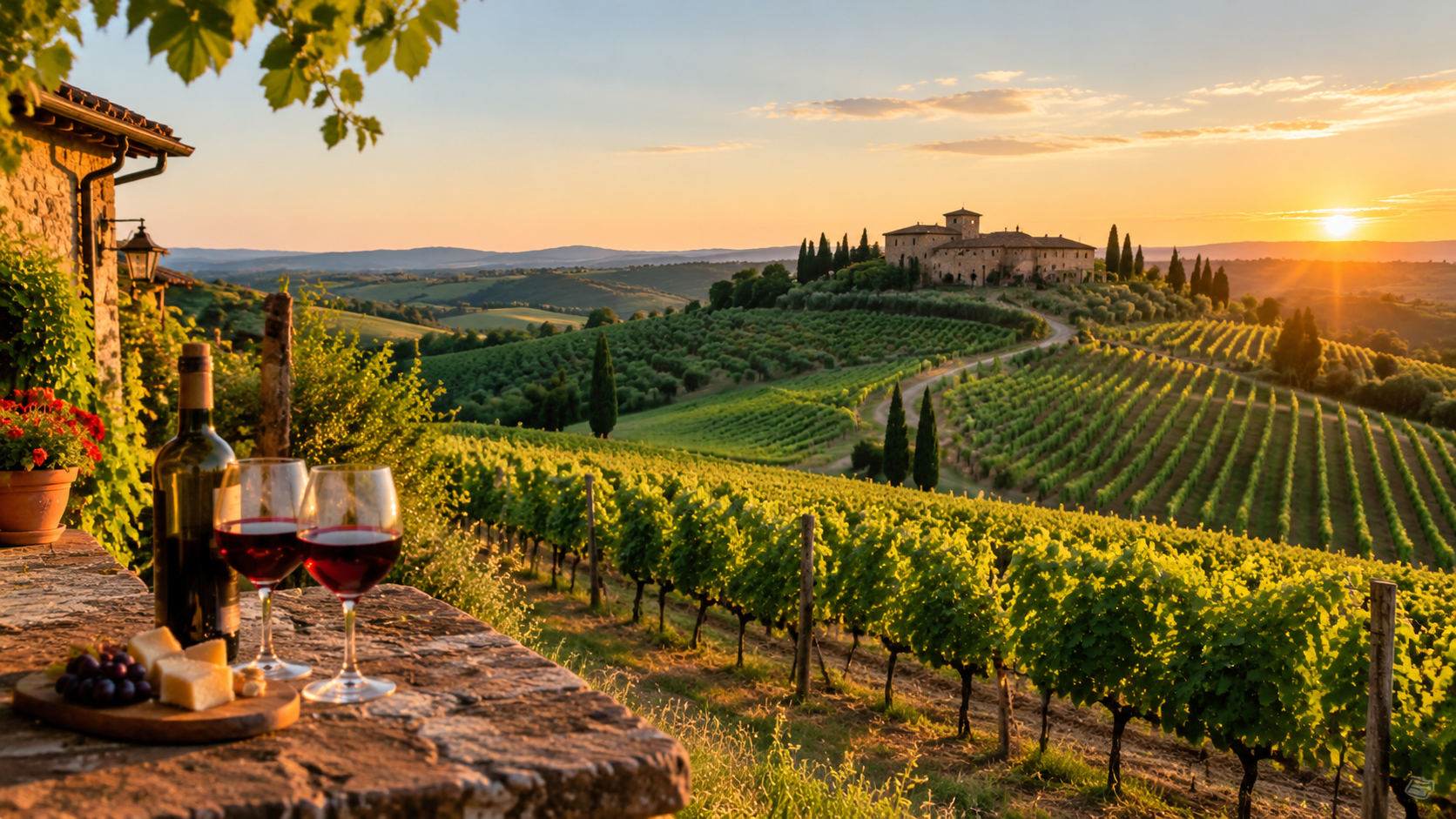
Leave the city center by private vehicle or small-group coach, heading south into the Chianti hills. Morning light offers clear views across terraced vineyards and olive groves.
First Estate Visit
Arrive at a family-run winery for a cellar tour and tasting of three to four wines, typically Chianti Classico or Brunello. Most estates pair tastings with bread, olive oil, and local cheeses.
Lunch in the Countryside
Stop at a trattoria in Greve, Panzano, or Montalcino for a two-course meal—pasta, grilled meats, and house wine are standard. Budget 60–90 minutes including the walk between venues.
Second Estate Visit
Tour a larger denominazione winery with barrel cellars and vineyard walks, tasting reserve labels and learning appellation distinctions. This stop usually runs 75–90 minutes.
Return Journey Begins
Depart for Florence, retracing the route through rolling hills. Late-afternoon traffic through the city outskirts can add 15–20 minutes to the drive.
Arrive Florence
Return to your starting point in the historic center or near Santa Maria Novella station. Evening hours remain free for dinner or rest.
Transport and Arrival for Your Florence Wine Tour Day Trip
Florence serves as the primary gateway to the Tuscany wine regions of Chianti, Brunello, and Val d'Orcia. Most visitors reach these areas via organized transport departing directly from the city center.
SR222 (Chiantigiana road) towards Greve in Chianti
Autolinee Toscane lines from Florence Bus Station
Regional lines to Siena or Chiusi
Private hire via Florence registered taxi stands
Florence Wine Tour Day Trip: Practical Insider Tips
Maximize your experience in Tuscany by following these practical strategies for vineyard visits and wine tasting etiquette.
Footwear Selection
Opt for flat, closed-toe shoes rather than sandals to safely navigate uneven gravel paths and vineyard terrain. You will encounter varying ground surfaces throughout the day.
Hydration Strategy
Drink one glass of water for every glass of wine tasted to maintain alertness during your tour. Staying hydrated helps manage the effects of alcohol while touring in the sun.
Spitting Etiquette
Utilize the provided spittoons during tastings if you wish to pace your intake; it is considered professional rather than rude in wine culture. This allows you to evaluate multiple varietals without overconsumption.
Shipping Logistics
Inquire about international shipping costs and regulations directly with the estate if you plan to purchase bottles. Bringing wine back in your checked luggage requires specialized protective packaging to prevent breakage.
Tasting Pacing
Avoid rushing through your tasting flight to allow the wine time to open up in the glass. Taking notes or photos of the labels helps you remember your preferences later.
Florence Wine Tour Day Trip Pre-Visit Checklist
Prepare these items and complete these steps before your departure to ensure a smooth day in the Tuscan countryside.
-
Book your tour in advance — Most operators require reservations and many sell out during peak season.
-
Confirm pickup location and time — Tours typically depart Florence between 09:00–10:00 from designated meeting points.
-
Bring valid photo identification — Required for wine tastings and some estate entry policies.
-
Wear comfortable closed-toe shoes — Vineyard terrain includes uneven ground, gravel paths, and cellar stairs.
-
Pack sun protection and layers — Temperatures shift between sun-exposed vineyards and cool underground cellars.
-
Carry a light jacket — Evenings in hill towns can be 5–10°C cooler than daytime Florence.
-
Bring cash for personal purchases — Some smaller estates and farm shops accept cash only.
Check availability
Frequently Asked Questions About Florence Wine Tour Day Trips
Everything you need to know about florence wine tour day trip