4 hr 30 min
Tuscan Wine Estate Tour from Florence
- Entry ticket
- Mobile voucher
- Valid same day
- Free cancellation
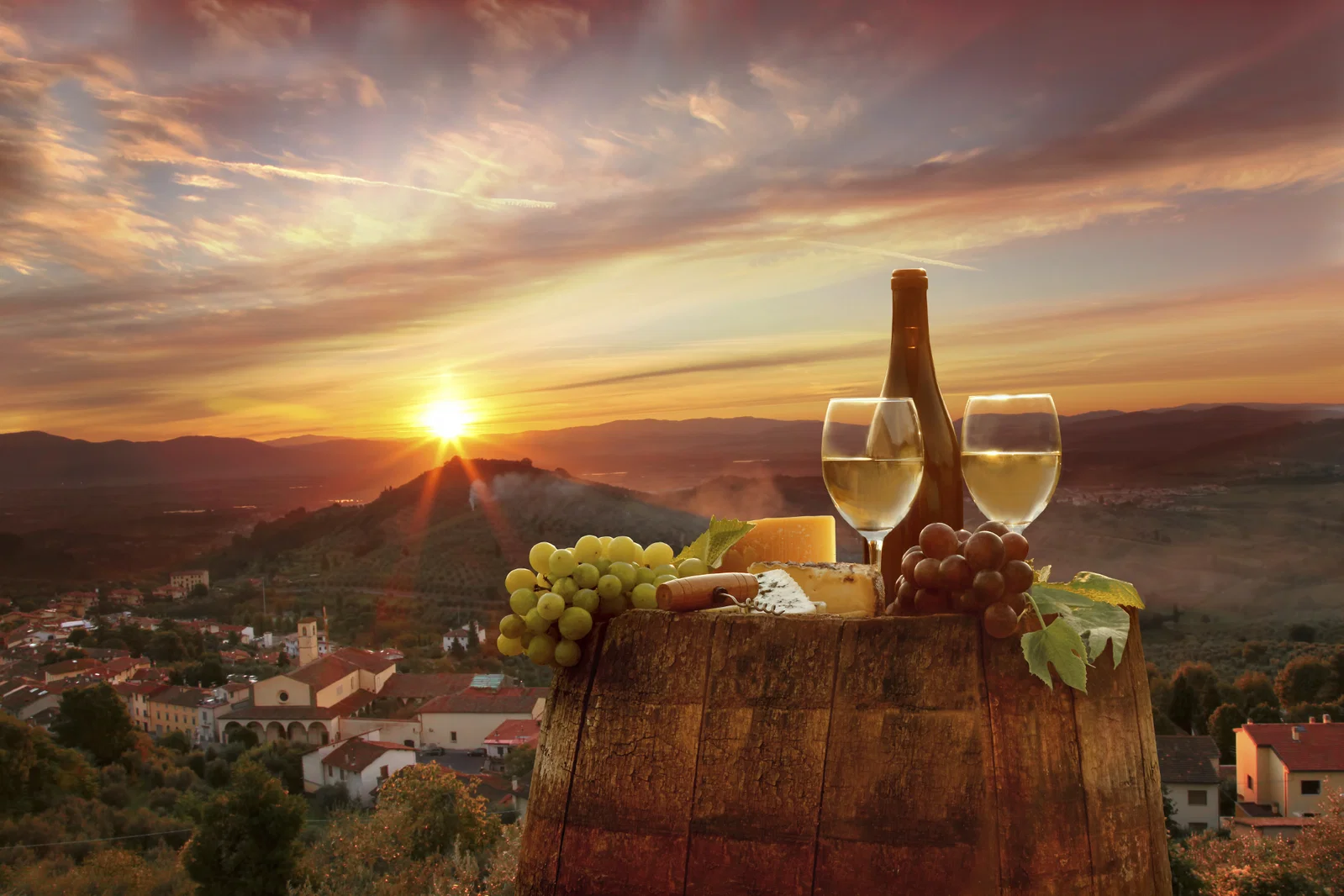
Florence Wine Tour Chianti — Vineyard Estates & Sangiovese Tastings
Cypress-lined roads through Gallo Nero country, cellars aging Riserva since the Medici era
Compare fares, pick the fit — all bookings are mobile-voucher and eligible for free cancellation where shown.
4 hr 30 min
6 hr 30 min
12 hr 30 min
Exploring the rolling hills and historic vineyards of the region is best achieved through an organized florence wine tour chianti experience, ensuring seamless transport and curated tastings. Whether you prefer the structure of a guided excursion or the autonomy of independent travel, selecting the right approach is key to enjoying these celebrated tuscan landmarks.
|
Top pick Guided Day Tour Full service with transport |
Independent Travel Self-paced exploration | |
|---|---|---|
| Entrance Fee | 0 EUR | 0 EUR |
| Transport Included | ✓ (Minivan/Bus) | — (Car rental required) |
| Wine Tastings | Included (2+ wineries) | Paid individually at estate |
| Lunch Included | ✓ (3-course meal) | — (At your own expense) |
| Best Arrival Window | 09:00–11:00 | 09:00–11:00 |
| Wait Time | None (pre-booked) | Varies by estate |
| See tickets & prices |
Verdict: Choose a guided florence wine tour chianti tickets package for stress-free logistics, or opt for independent exploration if you prefer a flexible itinerary.
Worth it for wine enthusiasts and scenery lovers
A florence wine tour chianti delivers genuine value if you prioritize immersive tastings over rushed sightseeing. Tours from Florence typically run €70–140 per person, covering transport, vineyard visits, and multiple wine flights at family-run estates. The Tuscan countryside—rolling hills planted with Sangiovese vines, medieval hamlets, cypress-lined roads—rewards the journey as much as the Chianti Classico pours. Half-day options (Tuscan Wine Estate Tour, Chianti Wine Region Tour) suit travelers on tight schedules, while full-day itineraries pair wineries with Siena or San Gimignano stops. The Chianti Vespa adventure adds kinetic fun but demands comfort with two-wheelers on rural roads. Skip florence wine tour chianti tours if you're indifferent to wine or prefer urban attractions; the region's charm hinges on vineyard culture, not monumental landmarks. For oenophiles and anyone craving a break from Florence's crowds, the cost per experience hour beats most city tickets.
Bottom line: If wine and pastoral Tuscany are on your list, florence wine tour chianti tickets justify the cost—just match the itinerary length to your schedule and palate.
They complement each other; most visitors who do both call the focused florence wine tour chianti the more immersive experience for oenophiles. Those seeking a broader look at regional architecture often favor the multi-city itinerary.
|
Top pick Chianti Wine Tour |
Multi-City Tuscany Tour | |
|---|---|---|
| Primary focus | Viticulture and terroir | Regional landmarks and history |
| Travel intensity | Low - regional concentration | High - significant road time |
| Wine tasting depth | Multiple estate pairings | Single stop tasting |
| Historical context | Vineyard heritage | Medieval town architecture |
| Pace of day | Relaxed - rural exploration | Fast - rapid city transitions |
| florence wine tour chianti tours | Chianti Classico | Siena and San Gimignano |
| See tickets & prices |
Verdict: If your priority is evaluating sangiovese varietals in quiet cellars, choose the specialized tour, whereas those booking florence wine tour chianti tickets for diverse sightseeing should opt for the multi-city route.
Hand-picked experiences loved by thousands of travelers
7.5 - 8 hours
Free Cancellation
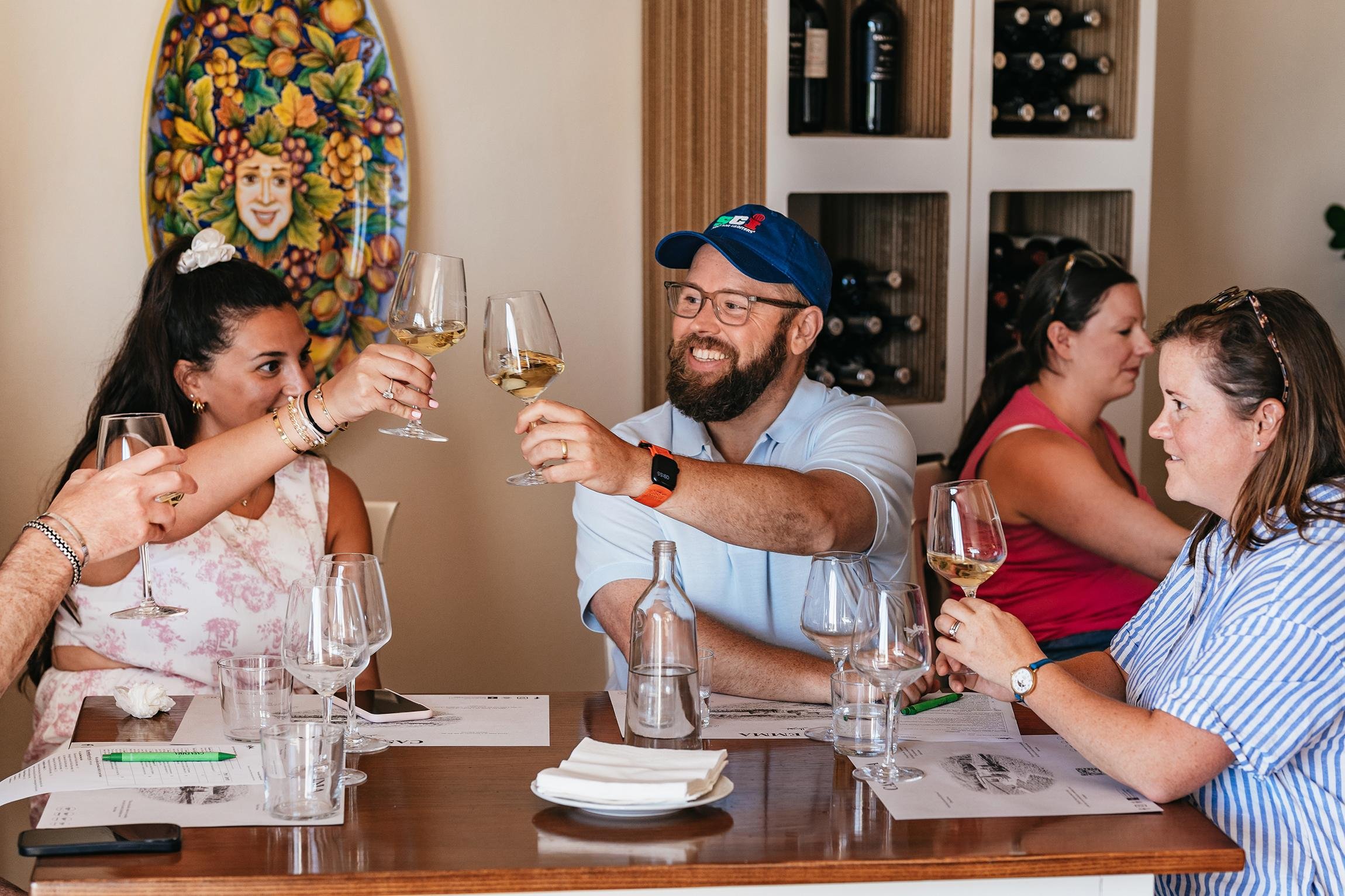
Small-group countryside escape visiting organic estates, tasting Chianti wines, and dining among vineyards
6 hours
Free Cancellation
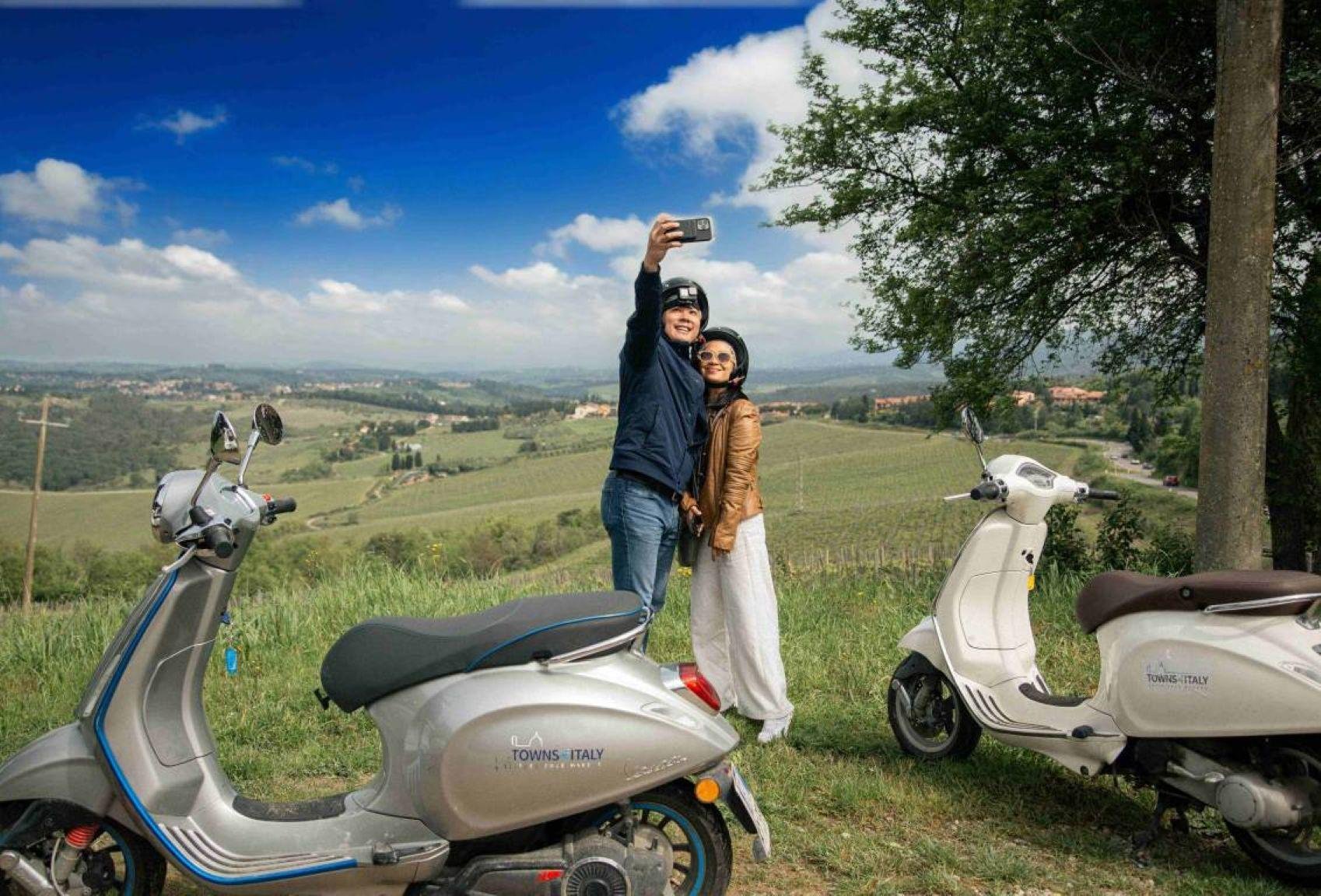
Explore Tuscany's countryside on a Vespa or electric car with Chianti wine, olive oil, and authentic lunch
5 to 7 hours
Free Cancellation
Explore three celebrated estates, savor regional vintages, and feast on a traditional meal amid rolling vineyards
5 hours
Free Cancellation
Explore Tuscan vineyards, sample seven premium wines, and savor authentic regional delicacies
6 - 9 hours
Free Cancellation
Explore Chianti vineyards by 4x4, taste renowned wines at family estates, and savor authentic Tuscan cuisine
5-7 hours
Free Cancellation
Venture into Tuscany's rolling vineyards for cellar tours, wine samples, and hilltop sunset views
7 hours
Free Cancellation
Explore three distinct family estates in Tuscany's wine country with tastings and an organic farm feast
Meet your guide at the designated departure point.
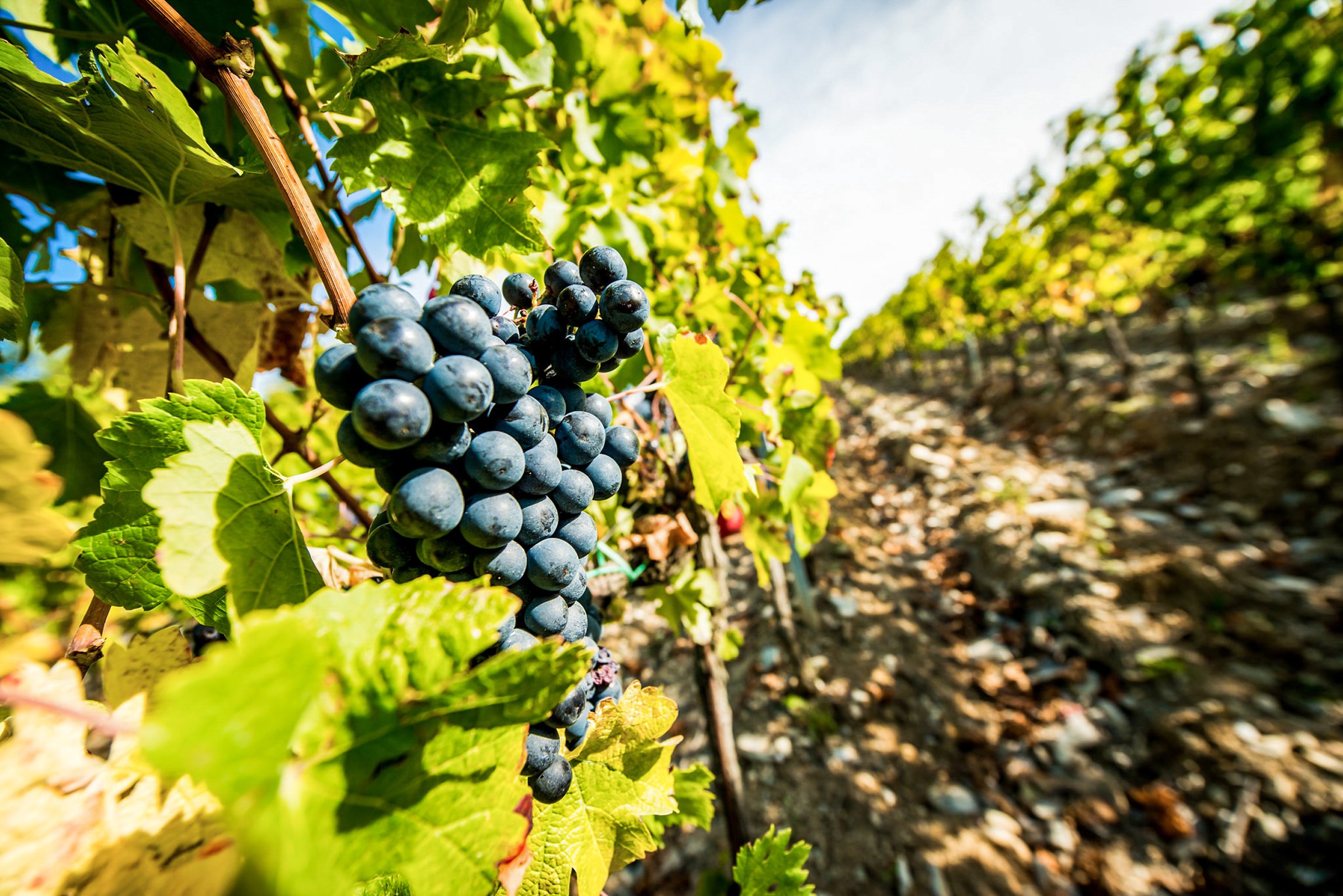
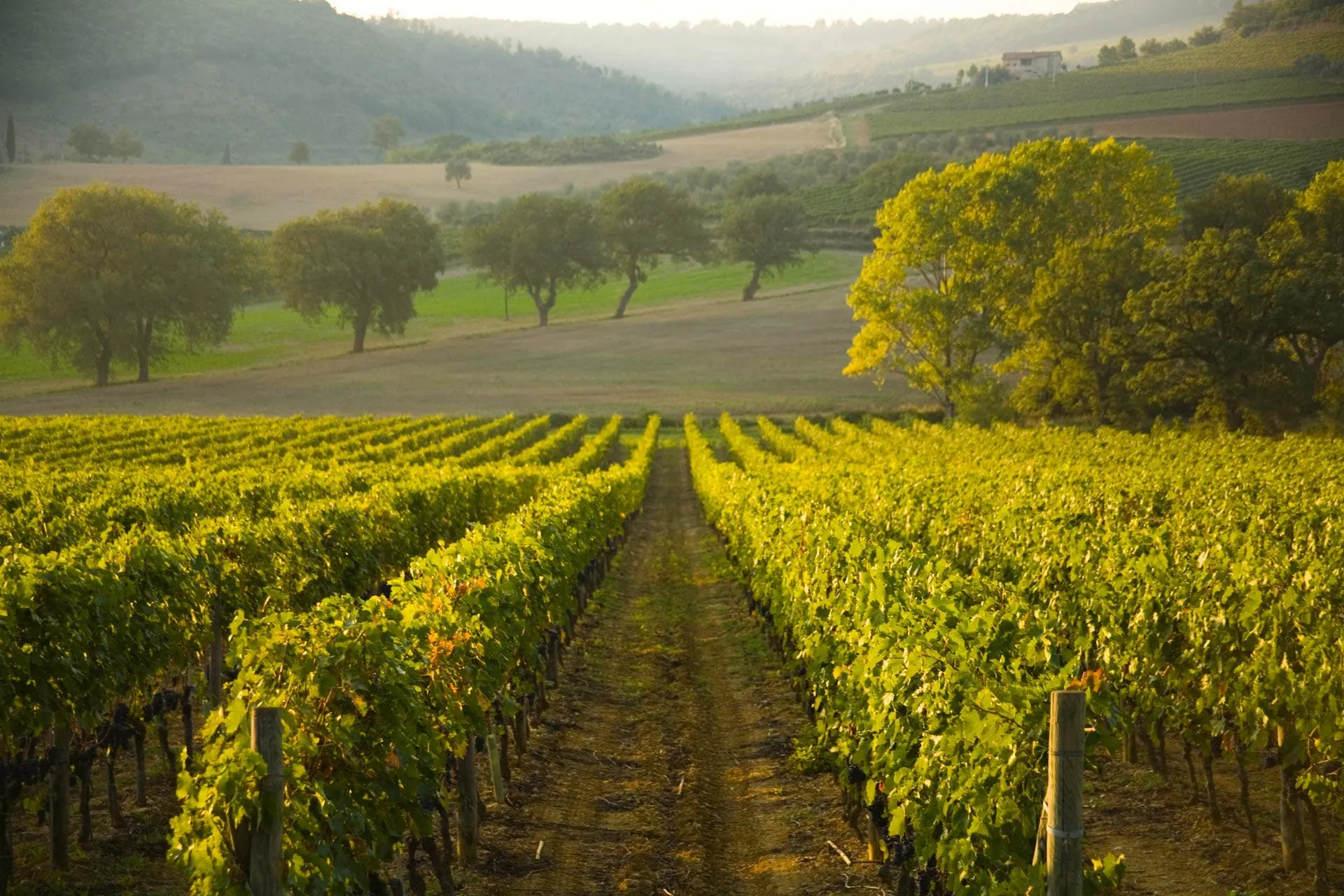
Walk through Sangiovese vineyards to learn about viticulture.
Sample regional vintages in a historic cellar setting.
Stroll through a local hilltop town.
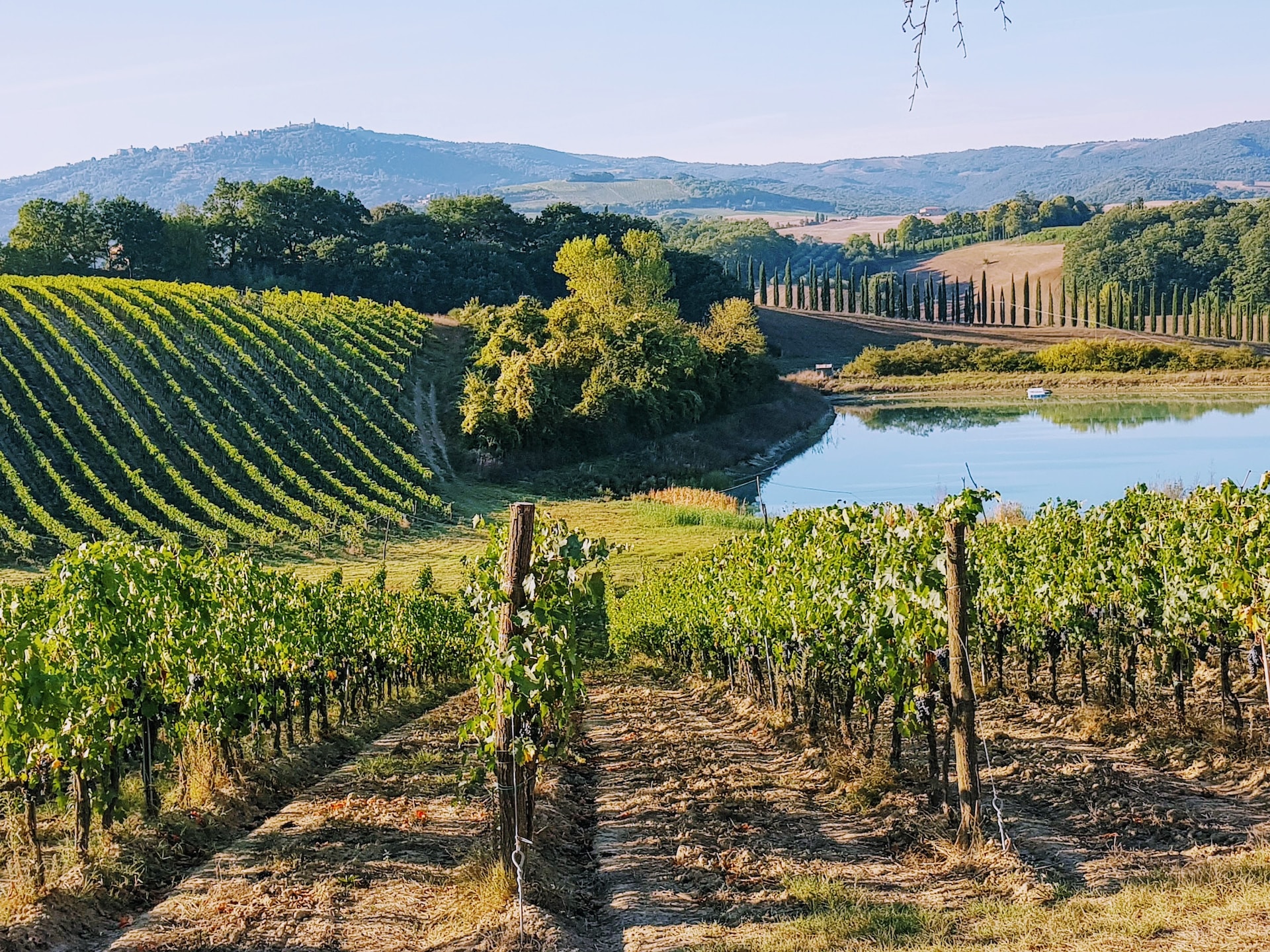
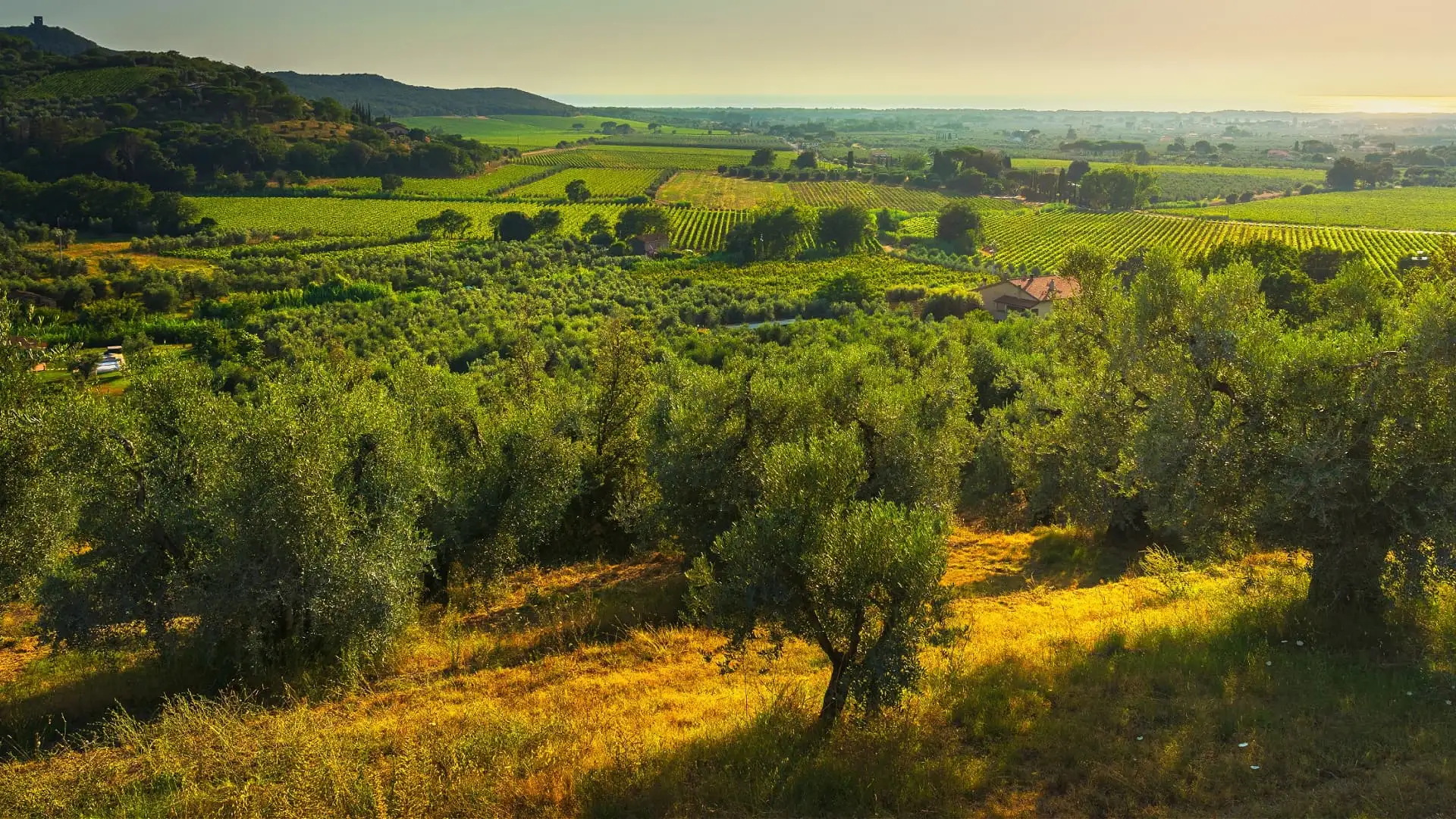
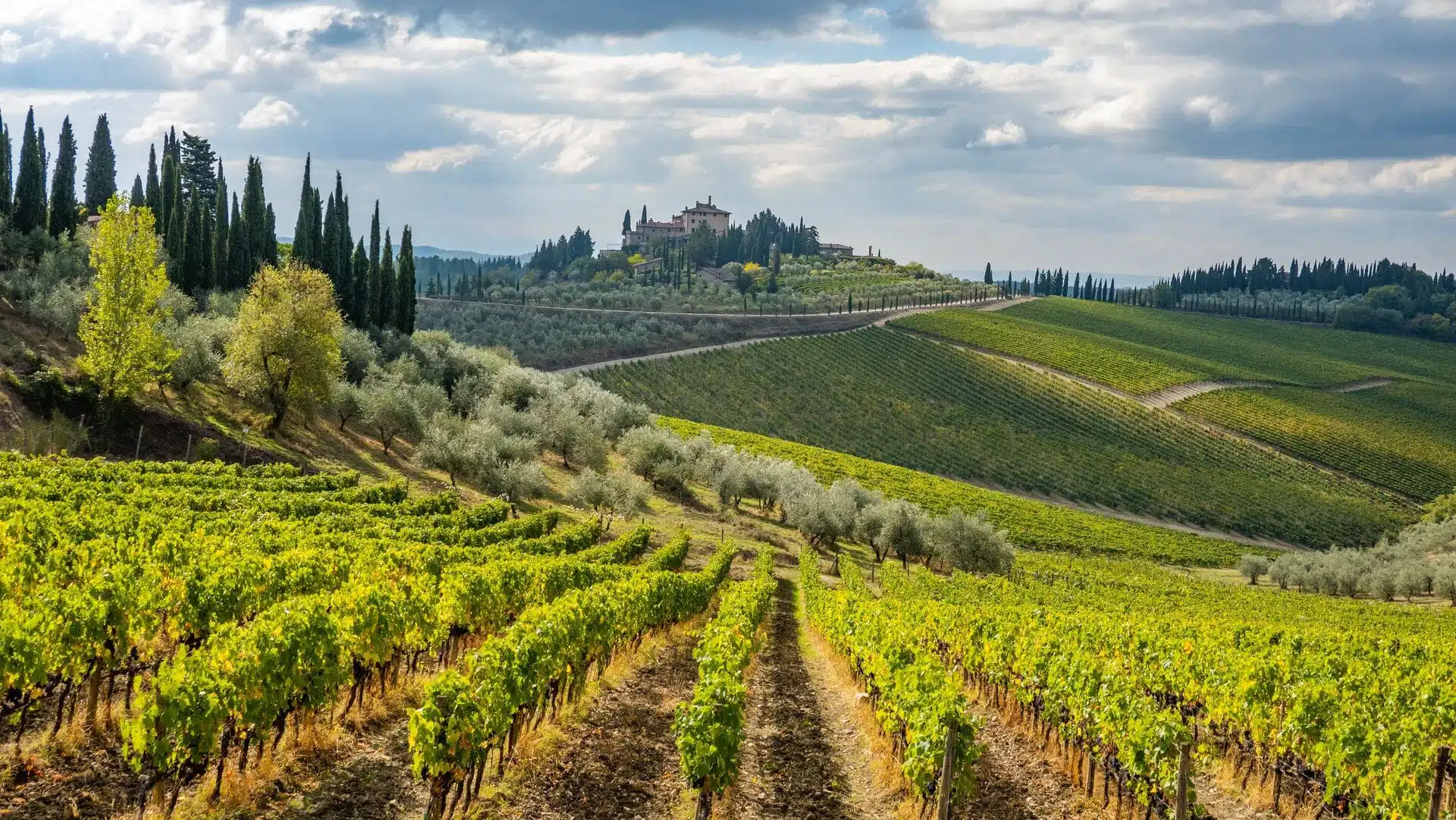
Rows of vines producing the region's signature grape variety cover the rolling hills.
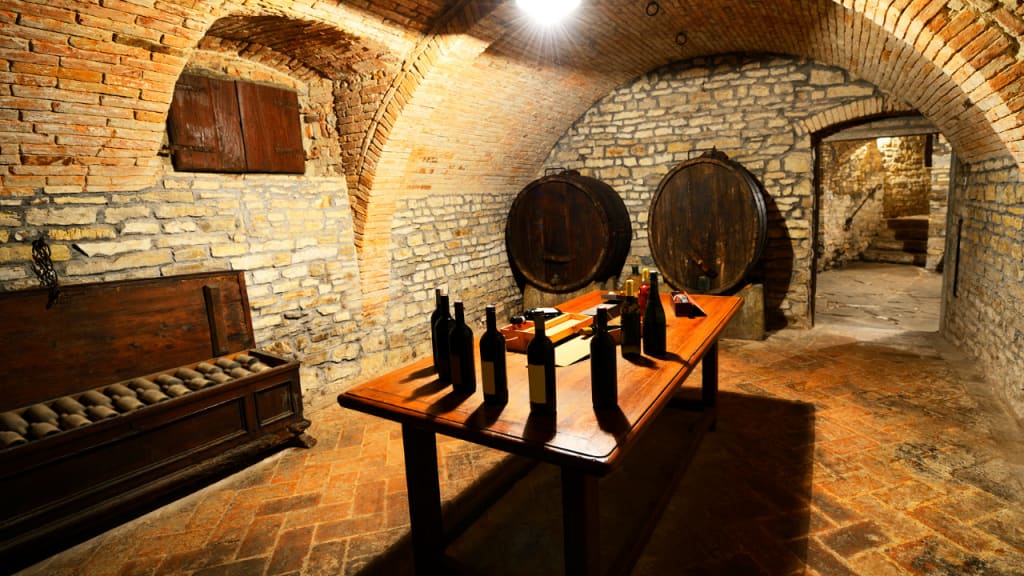
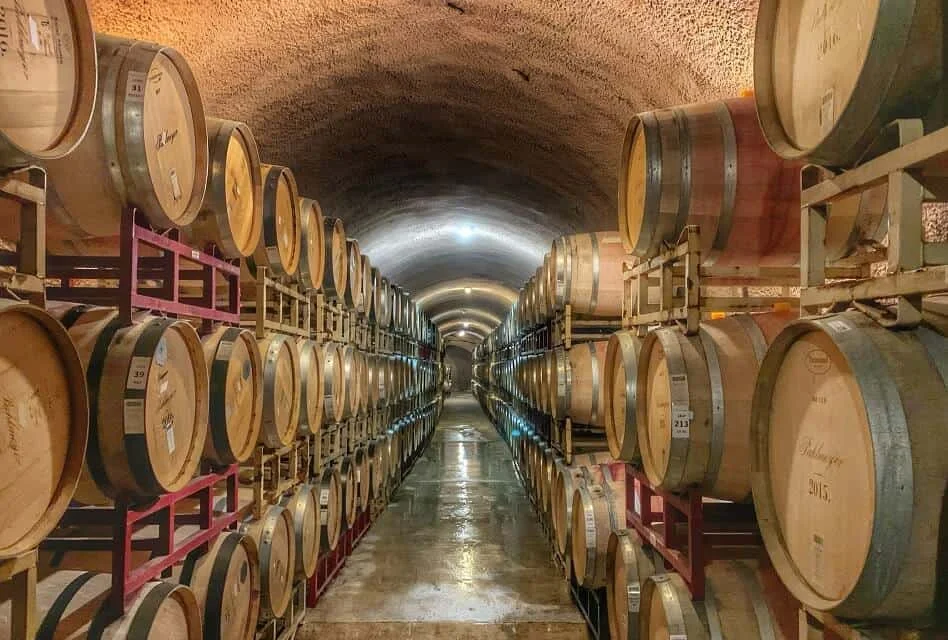
Underground stone chambers where local vintages age in oak barrels.
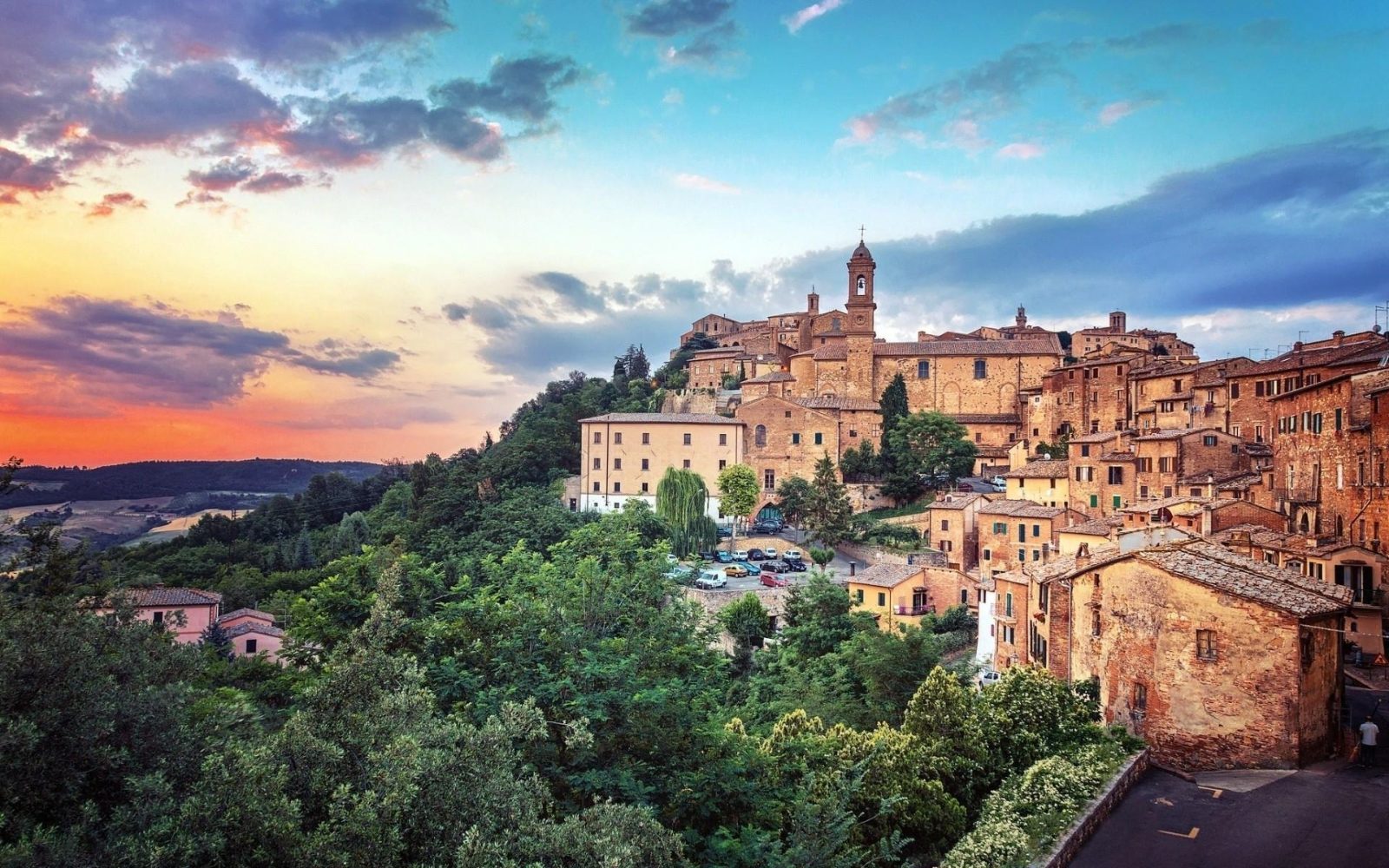
Picturesque stone towns offering views over the surrounding valley.
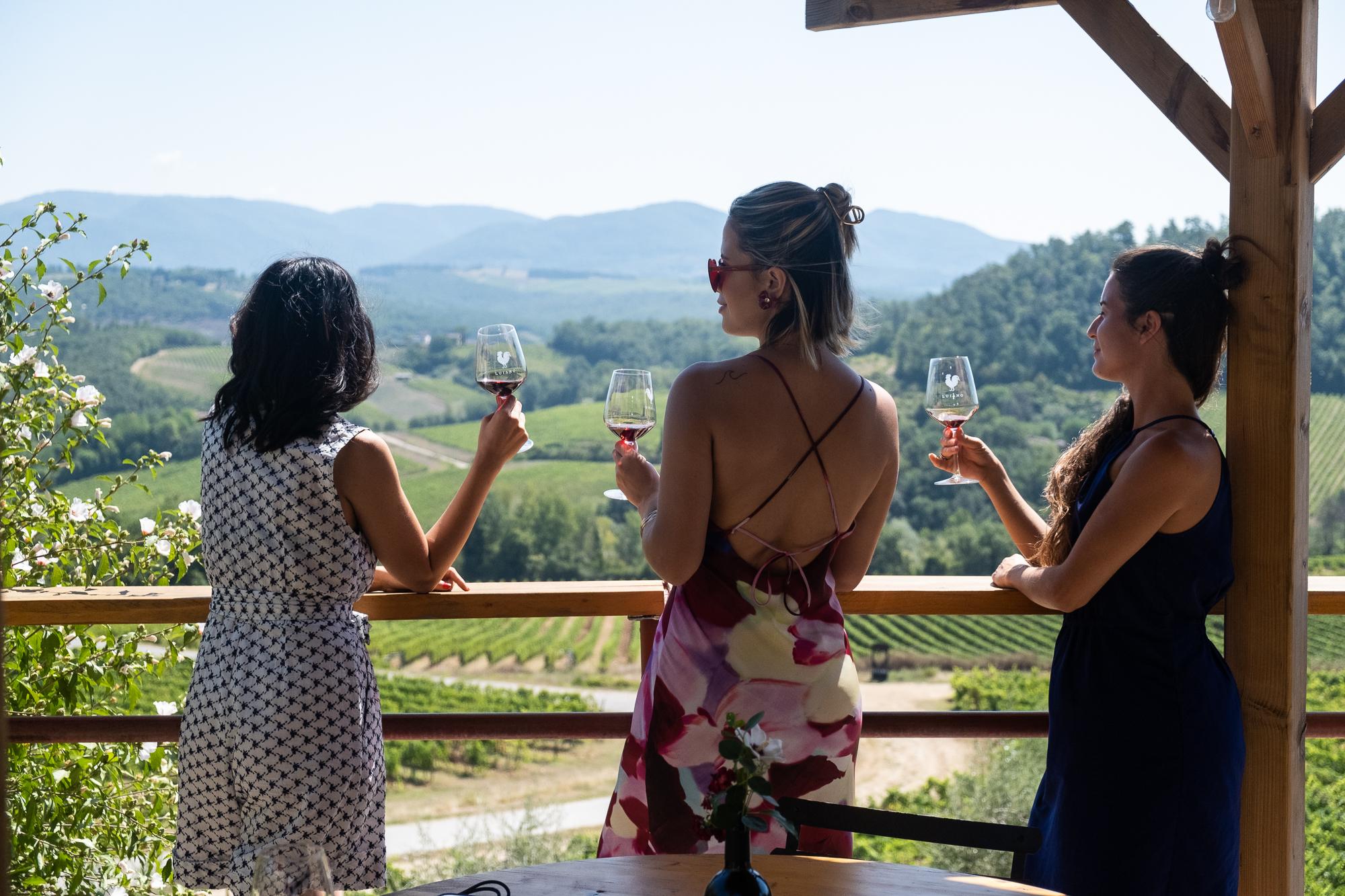
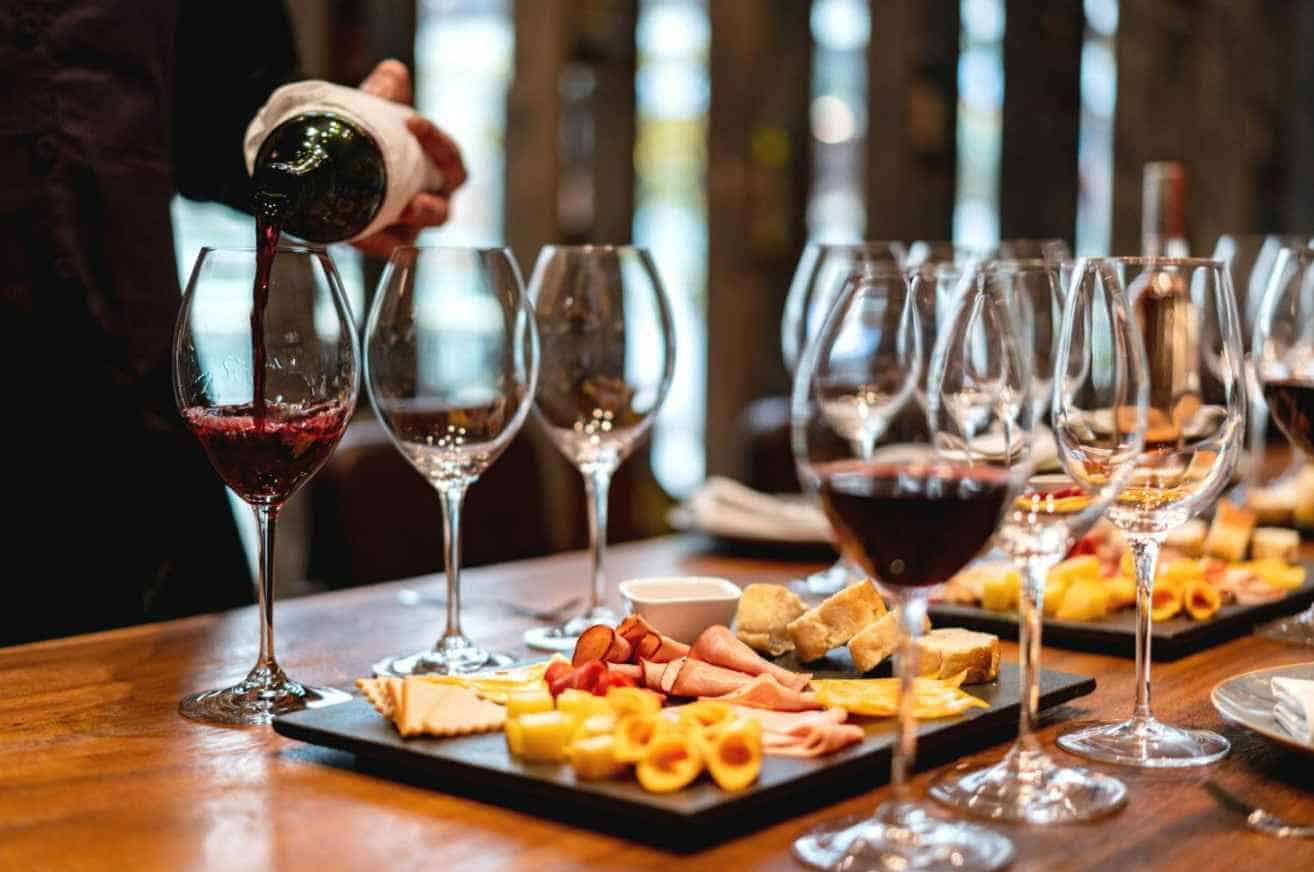
Designated areas where experts lead guided samplings of regional wine.
Many estates also feature traditional groves that produce high-quality olive oil.
You leave Florence by 9:00 AM, the van climbing through olive terraces as the Arno valley falls away behind. Forty minutes later, you turn onto a gravel drive flanked by cypresses, the first estate's tower visible above the vines.
Inside the cantina, your guide uncorks a current-vintage Chianti Classico — bright cherry, violet, a tannic grip from 18 months in Slavonian oak botti. You taste alongside the stainless steel tanks, then descend into the tufa cave where Riserva bottles rest horizontally in the cool dark.
The second stop contrasts: a working farm where the winemaker's grandmother still rolls pasta in the kitchen. You walk the vineyard rows, galestro stones crunching underfoot, and learn to spot late-ripening Sangiovese clusters by their thick skins. Lunch is served on a terrace overlooking Val d'Elsa — ribollita, pecorino aged in walnut leaves, a Gran Selezione poured from magnum. The afternoon tasting includes vin santo with cantucci, the dessert wine amber and honeyed after six years in sealed caratelli barrels.
By 6:00 PM you're back in Florence, three estates visited, six wines tasted, the difference between Classico and Riserva now a physical memory stored in your palate rather than a label you skim past on a shelf.
All the details about your upcoming adventure in one place
The Chianti wine region produces 35 million bottles annually across 70,000 hectares, yet its borders were first codified not by winemakers but by Cosimo III de' Medici in 1716, making it one of the world's earliest protected appellations.
The decree defined four communes — Castellina, Radda, Gaiole, and Greve — whose Sangiovese vines would carry the Florentine lily seal, a political act that became viticultural law. Today, the Gallo Nero rooster emblem on Chianti Classico bottles traces back to that medieval boundary dispute between Florence and Siena, settled by cockcrow.
The region's significance extends beyond volume. Chianti Classico — the original heartland between Florence and Siena — enforces stricter standards than broader Chianti DOCG: 80 percent Sangiovese minimum, 12 months' aging for standard releases, 24 for Riserva, 38 for Gran Selezione. The soil shifts every few kilometers: galestro schist near Radda yields mineral, age-worthy wines; clay-limestone around Castellina produces rounder, earlier-drinking expressions. A Florence wine tour Chianti excursion typically visits two or three estates, contrasting terroir and winemaking philosophy within a 30-kilometer radius.
Architecturally, the estates range from fortified medieval towers — Castello di Brolio has been Ricasoli family property since 1141 — to Renaissance villas with frescoed cellars and 19th-century concrete fermentation vats still in use. Many cantinas store reserve bottlings in underground tufa caves, natural temperature-controlled chambers carved by Etruscans. The region's 200-plus wineries include family operations bottling 5,000 cases and industrial cooperatives exceeding 2 million; tours from Florence often pair a historic estate visit with a working farm producing olive oil, vin santo, and salumi alongside wine. Harvest runs late September through October, when public tours pause at the largest properties but smaller estates welcome visitors into active fermentation rooms. The Chianti Classico consortium now mandates biodiversity corridors — 5 percent of vineyard land returned to wild vegetation — a requirement visible in the olive groves and oak stands interrupting vine rows across the hillsides.
Cosimo III's 1716 decree made Chianti one of the world's first protected wine regions, three centuries before modern appellation law.
Casual and comfortable attire is recommended for a florence wine tour chianti. Sturdy shoes are advised for walking across uneven vineyard terrain and cobblestone village streets.
Small daypacks are generally accepted on a florence wine tour chianti, though large luggage should be left in your vehicle or at your accommodation. Security protocols are determined by each independent winery estate.
Personal photography is permitted throughout most of the region. Please respect the privacy of winery staff and avoid using flash inside cellar storage areas during your florence wine tour chianti.
Many providers for a florence wine tour chianti welcome families, though wine tasting is restricted to adults over 18. Check specific tour descriptions for child-friendly vineyard activities.
Vineyard estates vary significantly in accessibility. Some historic cellars feature stairs, while newer tasting rooms in the Chianti region typically offer better ground-level access for visitors.
Outside food is not permitted during scheduled tastings. Your florence wine tour chianti often includes locally sourced appetizers, but please confirm if your booking covers a full meal.
Opening hours
09:00–18:00
Address
Chianti Wine Region, Tuscany, Italy
Accessibility
Varies by winery estate
Best arrival
09:00–11:00
Official site
https://www.chianticlassico.com
Car · Varied · Rental costs apply
Follow the SR222 Chiantigiana road for the most scenic drive.
Taxi · 1h · Varies by service
Hire private transport from central locations.
Most operators require 24-hour notice for a full refund on your florence wine tour chianti booking. Note that while there is 0 EUR entrance fee to the region, tour-specific deposits are governed by the individual provider terms.
Recommended time
Full day (6-8 hours)
A comprehensive florence wine tour chianti requires a full day to account for travel through the rolling Tuscan landscape and multiple estate visits. Opting for Chianti Classico wine tastings often involves leisurely pacing, though those seeking a shorter experience can limit their itinerary to two local producers. As you plan your florence wine tour chianti tours, ensure you allow sufficient time between vineyards to navigate the narrow roads connecting regional cellar doors. Booking your florence wine tour chianti tickets in advance helps streamline transit and minimizes waiting times at busy tasting rooms.
Crowd levels through the day
Weather · crowds · average price — dots go green to amber to red as each metric rises.
Mild temperatures and green rolling hills make for pleasant outdoor vineyard walks.
Expect warm days, ideal for evening terrace tastings after the heat fades.
September and October bring the vibrant harvest season and cooler air.
Quieter period with indoor-focused tasting experiences available.
Reserve your florence wine tour chianti at least two weeks early during peak harvest months.
The region consists of private farms, so stick to designated visitor paths.
Ensure your florence wine tour chianti includes transit if you plan on tasting multiple wines.
Tuscan temperatures fluctuate between vineyard heat and cool stone cellars.
Drink plenty of water between wine samplings throughout your visit.
The Chianti region earned formal recognition in 1716 when Cosimo III de' Medici issued an edict defining the boundaries of wine production between Florence, Siena, and the Arno valley. This decree established Chianti as one of the world's first legally protected wine appellations, three centuries before modern designation systems emerged. The original territory centered on the villages of Gaiole, Radda, and Castellina, which had formed a military league in 1384 to defend Florentine interests against Sienese expansion. The black rooster emblem, still displayed on Chianti Classico bottles today, derives from this medieval Lega del Chianti. Baron Bettino Ricasoli transformed regional winemaking in the 1870s after inheriting Castello di Brolio. He developed the Chianti formula that blended Sangiovese with Canaiolo and white Malvasia grapes, a recipe that shaped production for a century. His scientific approach replaced inconsistent peasant methods with documented ratios and fermentation protocols. Ricasoli served twice as Prime Minister of unified Italy but considered his viticultural work more enduring than his political career. Phylloxera devastated Tuscan vineyards between 1890 and 1910, forcing growers to replant on resistant American rootstock. Recovery proved slow. Post-war mass production flooded markets with thin wines in straw-wrapped fiaschi bottles, damaging Chianti's reputation by the 1960s. A 1984 reform introduced Chianti Classico DOCG status with stricter standards: minimum 80% Sangiovese, lower yields, longer aging. Producers abandoned white grapes and fiaschi entirely. Modern florence wine tour chianti experiences showcase estates that survived this quality revolution, many still family-owned. Visitors now taste structured wines bearing little resemblance to the diluted commodity that once dominated export shelves.
Villages of Gaiole, Radda, and Castellina form the Lega del Chianti military alliance.
Grand Duke Cosimo III de' Medici issues edict defining official Chianti production boundaries.
Baron Ricasoli formulates the Sangiovese-based Chianti blend at Castello di Brolio.
Phylloxera epidemic destroys native vines; replanting on American rootstock begins.
Mass-produced fiasco wines damage Chianti's international reputation.
Chianti Classico granted DOCG status with stricter quality requirements and minimum 80% Sangiovese.
Regulations permit 100% Sangiovese Chianti Classico and eliminate mandatory white grape additions.
Gran Selezione category introduced for single-estate Chianti Classico aged minimum 30 months.
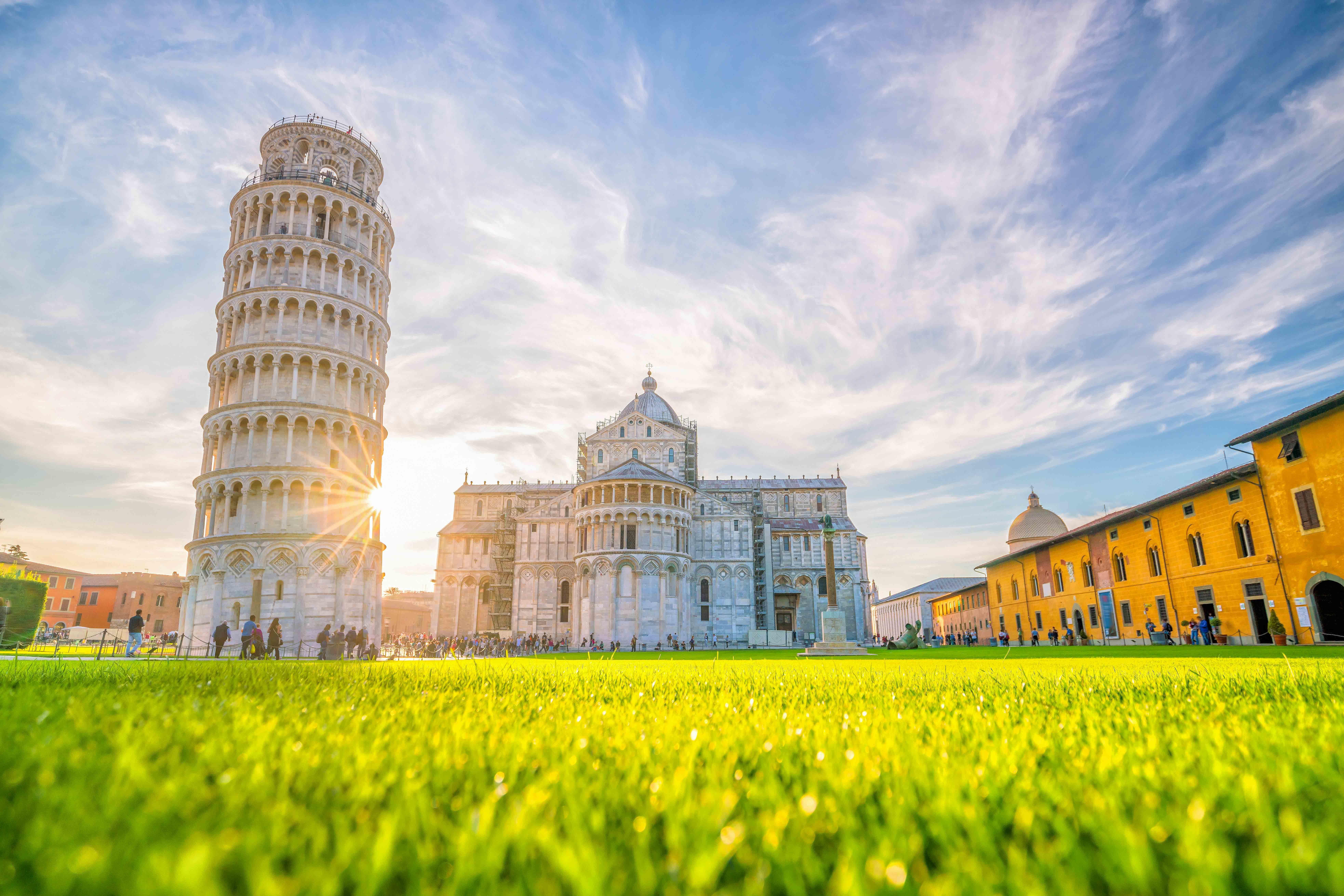
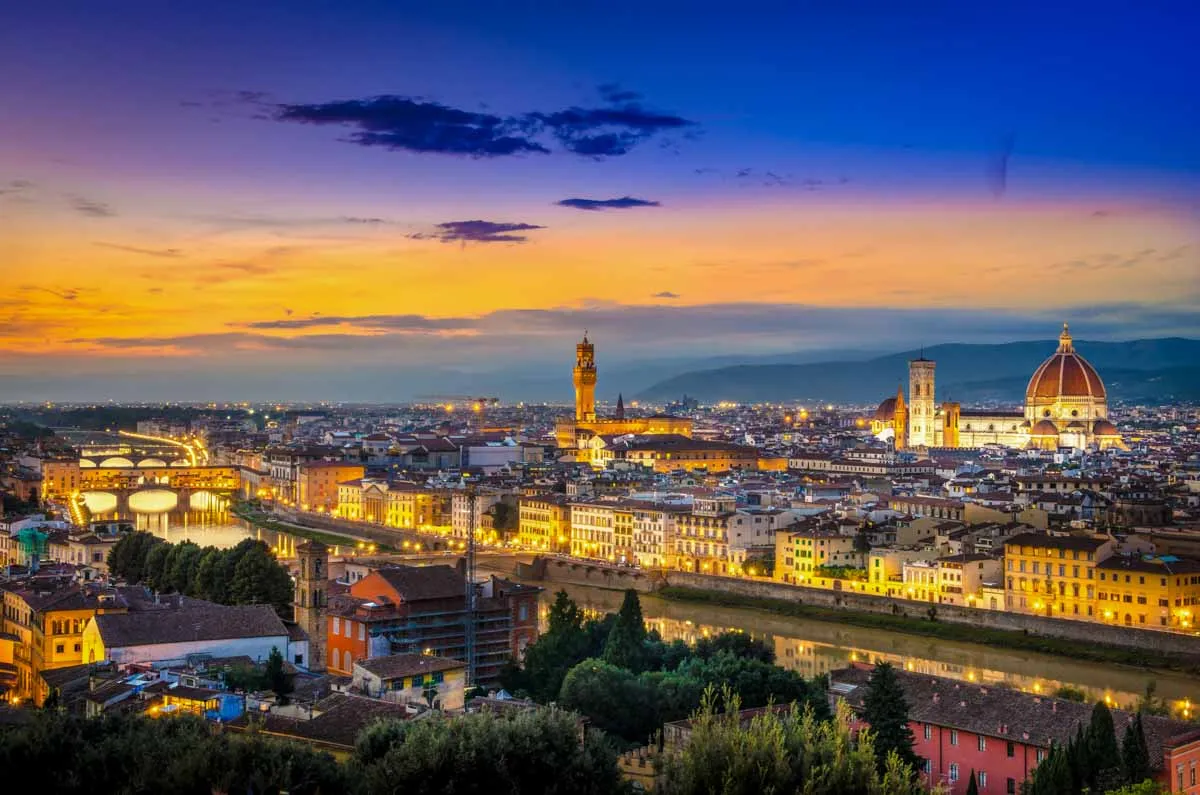
This vantage point offers a panoramic overlook of the cityscape often featured before a florence wine tour chianti.
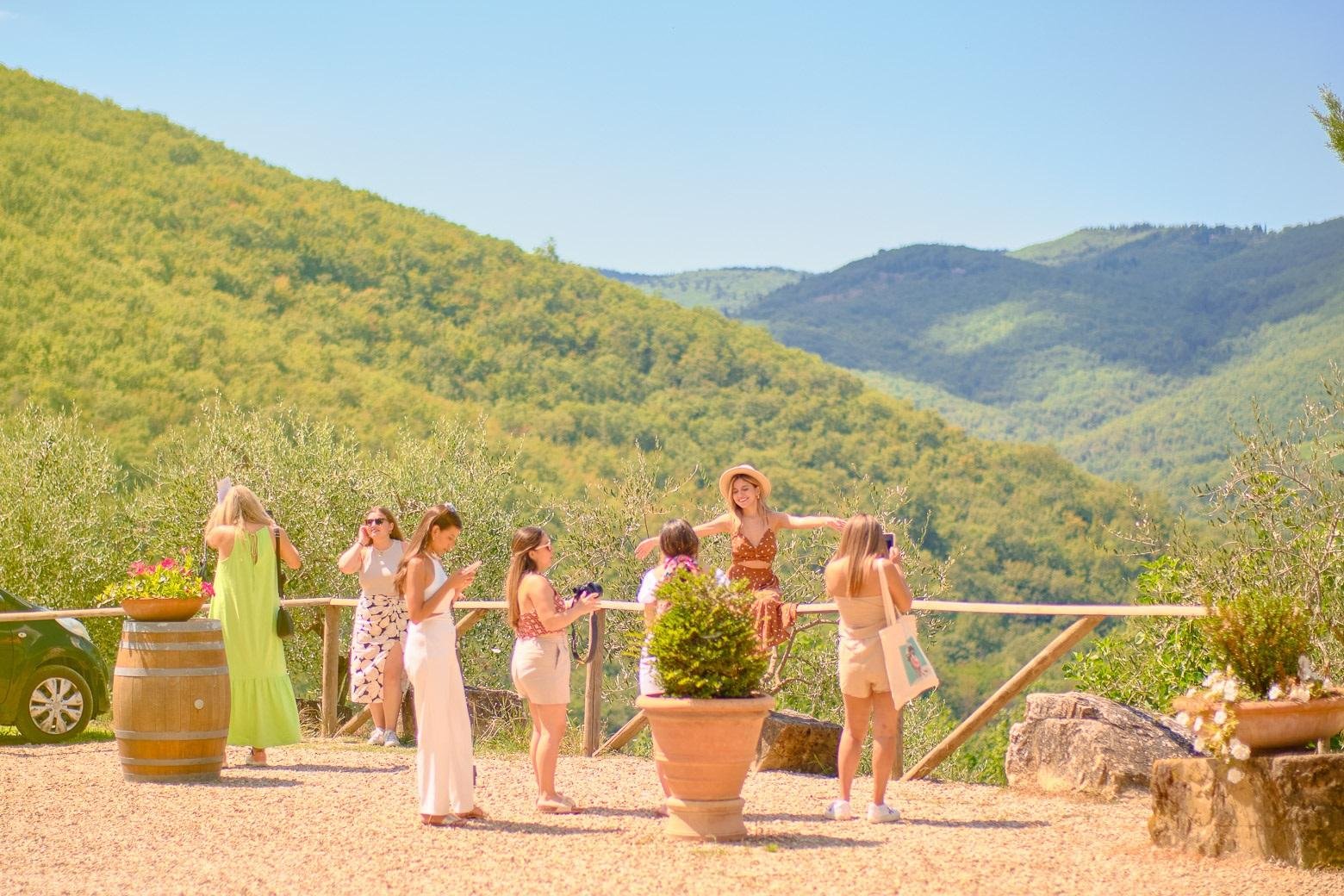
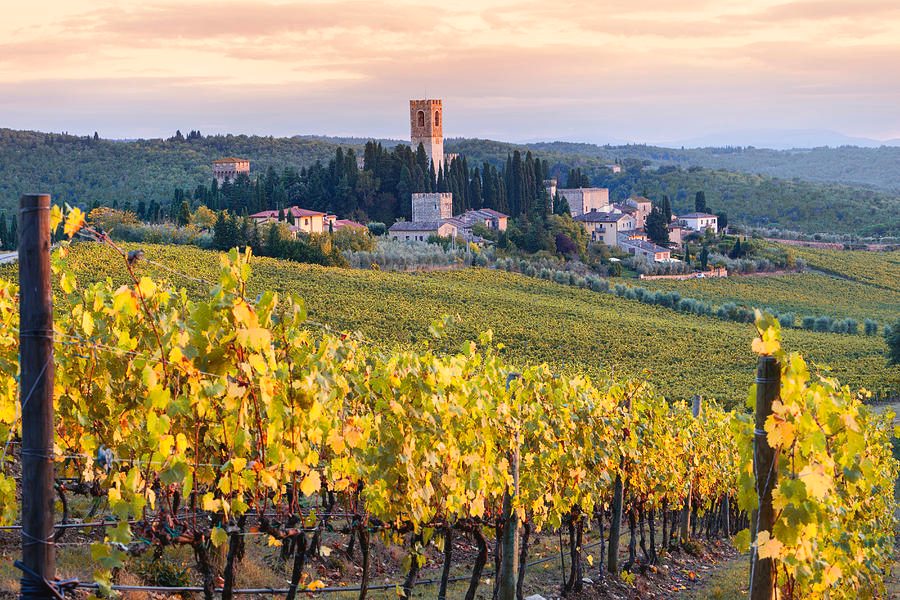
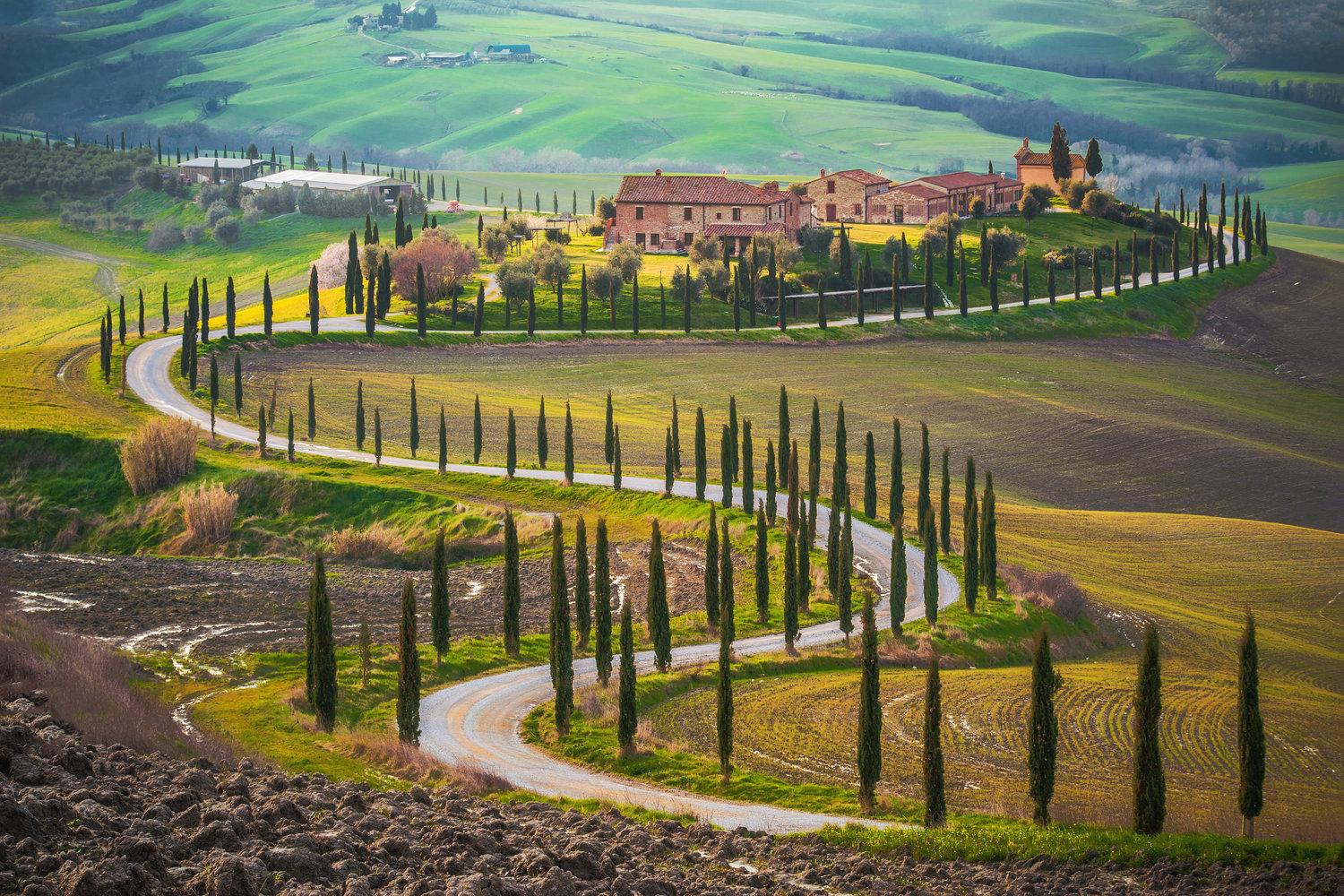
Stand on the stone terrace overlooking the surrounding vineyards and cypress-lined driveways for a classic Tuscany wine region composition.
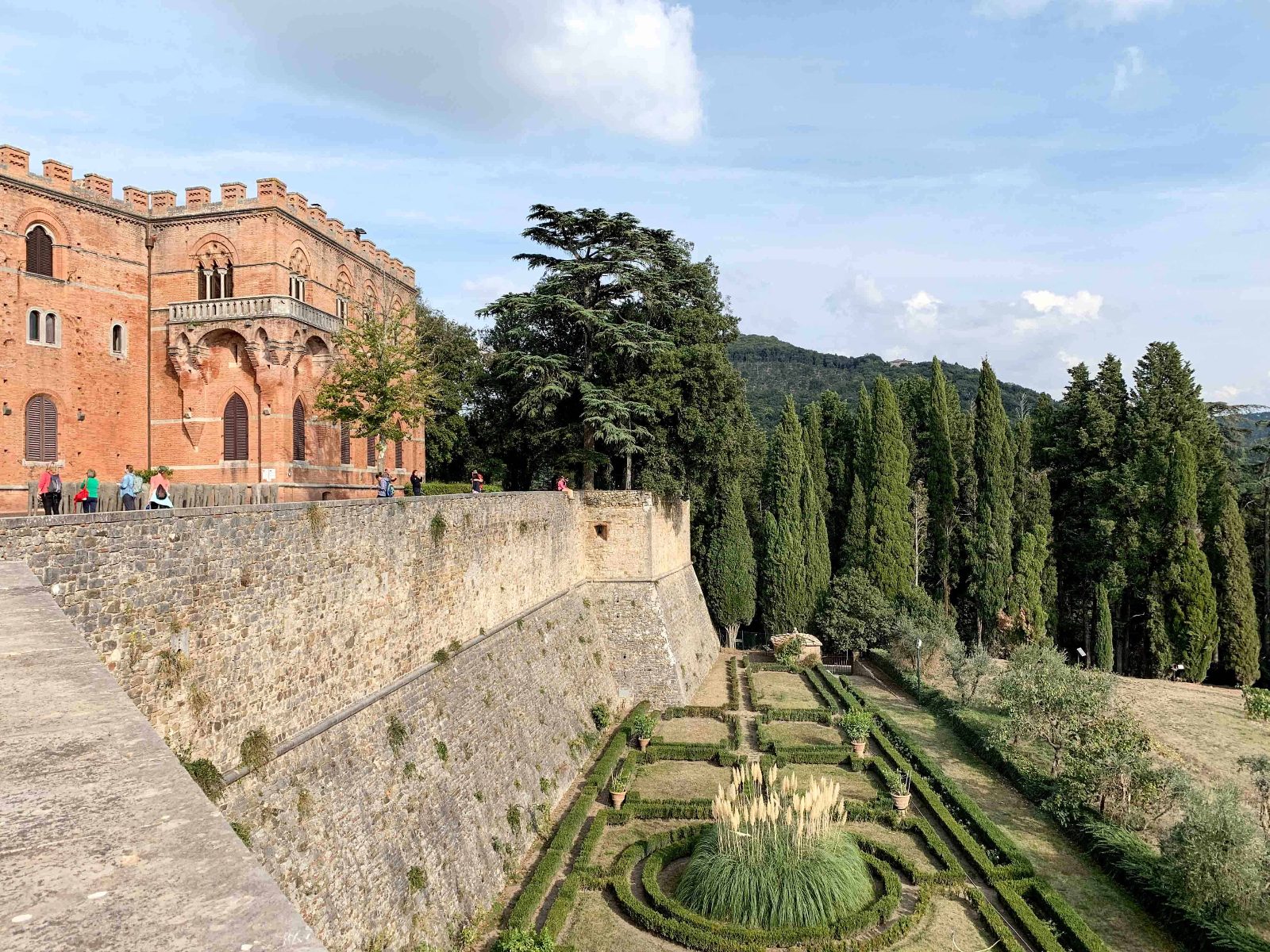
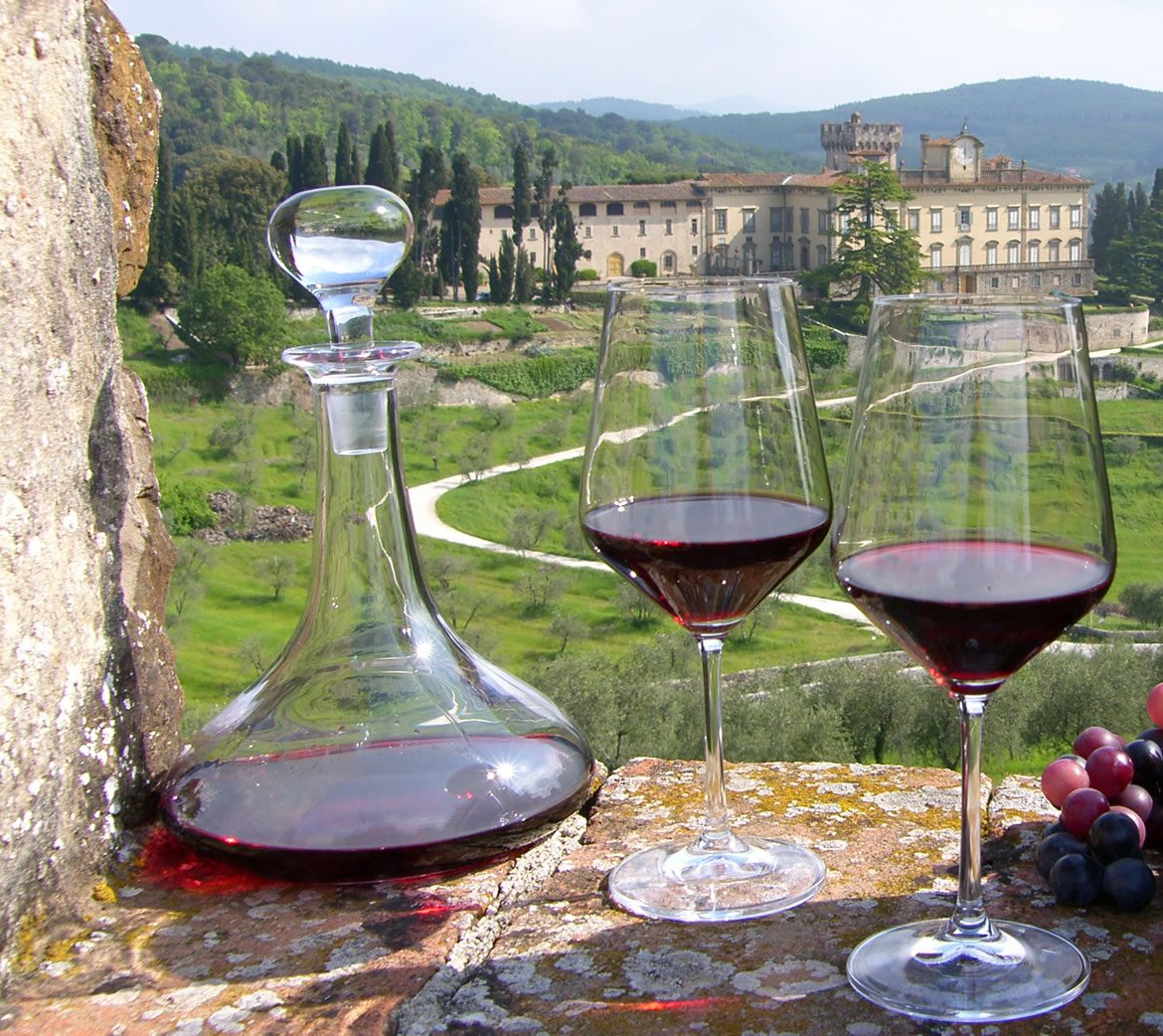
Position yourself along the historic castle walls to capture the sprawling estate gardens and hills common on a florence wine tour chianti tour.
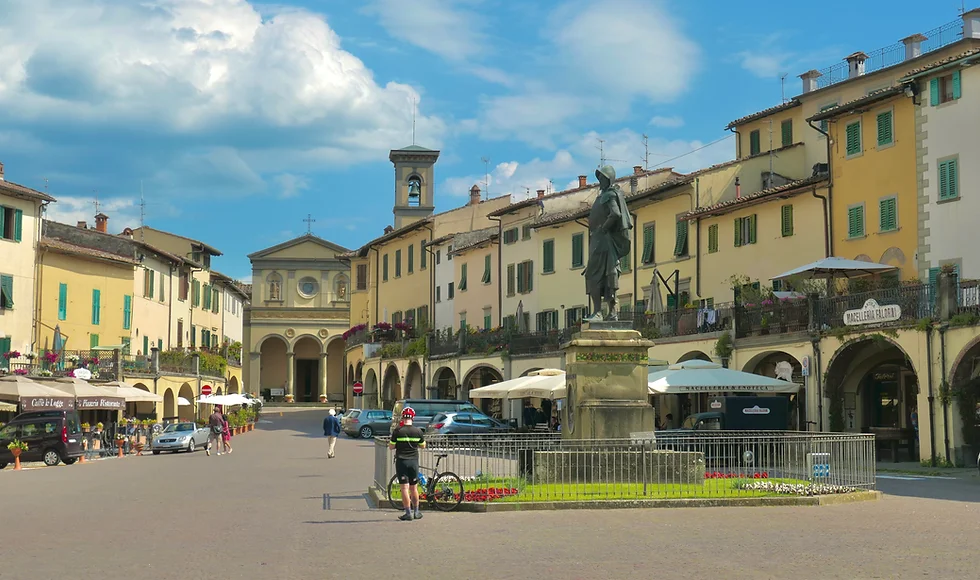
Capture the triangular Piazza Matteotti, where many visitors begin their journey after securing florence wine tour chianti tickets.
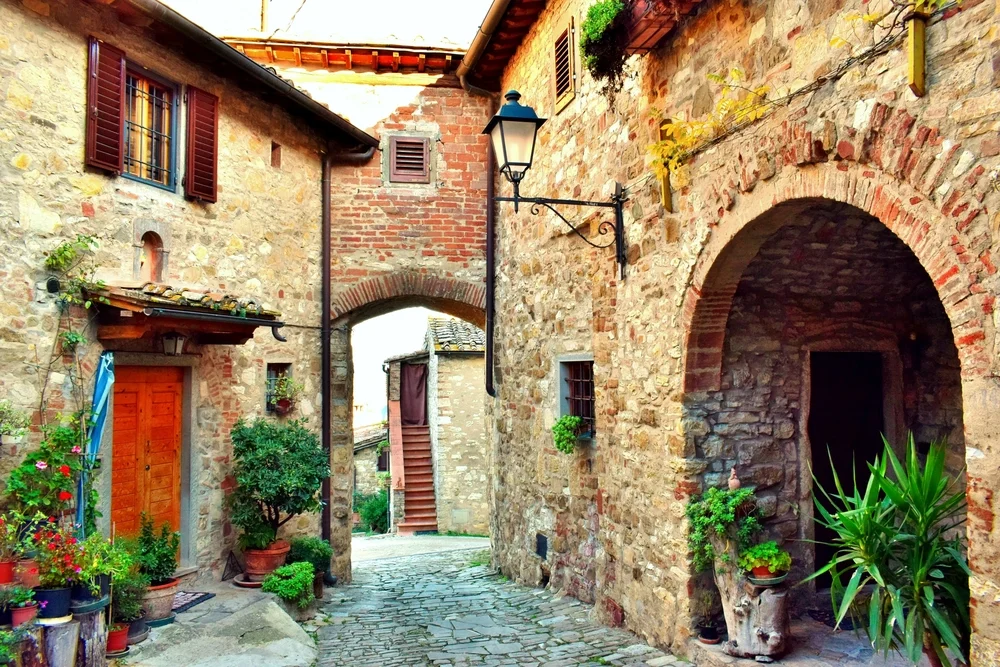
Focus on the stone archways and narrow pedestrian alleys of this fortified medieval hamlet nestled within the hills.
Exploring the countryside is a highlight for families, and a florence wine tour chianti can be surprisingly welcoming for all ages when you choose the right estate. Many vineyards offer open spaces for children to roam and specific activities that make the visit engaging for younger guests.
Most vineyard estates in this region are rustic with gravel paths and uneven terrain, so a carrier is often more practical than a stroller for touring cellars and walking through vine rows.
School-aged children often enjoy the educational aspect of the production process, while younger kids benefit from estates that offer outdoor space and farm animals to keep them occupied.
While some larger castles provide dedicated restrooms, always plan for diaper changes at your lunch stop or restaurant, as many traditional small-batch wineries have limited facilities.
Opt for private transport to maintain control over your schedule, allowing for extra breaks; some guided florence wine tour chianti tours offer flexible private van options that comfortably accommodate families with car seats.
Many wineries serve snacks or lunch with local juices for children, but it is wise to carry favorite travel snacks to ensure kids stay happy during the longer wine-tasting segments.
Most winery tours continue regardless of weather, so bring layers and rain gear; even on wet days, exploring the indoor cellars and historic barrel rooms provides a classic experience.
Exploring the countryside on a florence wine tour chianti provides diverse options, ranging from refined estate lunches to rustic trattorias in medieval hilltop villages. While many wineries offer curated pairings, local town centers provide authentic experiences with regional sangiovese and traditional pecorino cheese.
Located near the Badia a Passignano, this venue focuses on high-end, seasonal Tuscan cuisine paired with premium reserve labels. Reservations are essential for those planning their florence wine tour chianti tours.
Perched in a scenic hamlet, this restaurant offers panoramic views alongside handmade pasta and grilled meats. It is a preferred stop for travelers seeking local ambiance after their florence wine tour chianti tour.
This famous establishment in Panzano offers a communal meat-focused dining experience that remains a highlight for many holding florence wine tour chianti tickets. Expect a lively atmosphere centered on heritage breed beef and communal tables.
Everything you need to know for your journey
The region is open daily from 09:00–18:00, though specific tours operate on scheduled times.
There is 0 EUR entrance fee to the region, though individual wineries charge for tours and tastings.
Arrive between 09:00–11:00 to avoid mid-day tour bus crowds and enjoy cooler morning temperatures.
Many florence wine tour chianti providers welcome families, but tasting is restricted to adults 18+.
Outside food is generally discouraged; check if your specific florence wine tour chianti includes food pairings.
The most common way to reach the region is by private car or booked transport from Florence.
No, accessibility varies by winery; contact specific estates if you require specialized facilities.
Wear comfortable, casual clothing and sturdy walking shoes suitable for vineyard terrain.
Most tours proceed in light rain, but check your booking policy for specific cancellation rules regarding extreme weather.
The main square of Greve in Chianti featuring a triangular shape and local markets.
Historic castle known for its panoramic views and significant viticultural history.
An ancient monastery surrounded by cypress trees and vineyard estates.
Intimate lodging options set within the rural landscape.
Convenient base for accessing various regional wine producers.
Join thousands of happy travelers who have discovered this incredible experience
Book Your Experience Now